


Showing posts with label Business. Show all posts
Showing posts with label Business. Show all posts

The Congress vice president Rahul Gandhi delivering a speech at Times Square: Rahul Gandhi on September 20 addressed Non-Resident Indians (NRIs) in New York as a part of his two-week long visit to the United States. He has repeatedly raised the issue of joblessness during his meetings with experts, business leaders and Congressmen. He addressed the NRIs with the purpose of making them a part of India’s development.
Rahul Gandhi said, I’d like to welcome all the people on the stage and every single one of you in this room. You know, many years ago Sam came to India and he told you the story of Indira Gandhiji listening to his presentation. Sam, I think it was 1982? Yes, 1982. I was 12 years old. In the morning my father told me that there is a presentation and you have to come. I didn’t know what presentation meant, I thought I was going to get a present. Anyway, I went there, and my sister and I were made to sit down at the back of the room quietly. And we sat there for 6 hours. And Sam and my father discussed computers. I didn’t quite understand what a computer was, nobody actually in 1982 really understood what a computer was.To me it looked like a little box with a TV screen on it. And frankly I didn’t like that presentation, as a little kid, I couldn’t stand the fact that I had to sit for 6 hours. And four or 5 years later, I started to see the result of that presentation. There were typewriters in the Prime Ministers Office. And everybody wanted to use a typewriter. And Sam and my father said to everyone in the PMO’s office that everyone has to move to computers. And everybody said, NO, we like our typewriters, we don’t want computers. So in Sam and in my fathers typical style they said fine you can keep your typewriters, what we are going to do is, we are going to replace typewriters with computers for one month, and after one month we will have your typewriters back. They gave them the computers for one month and then after one month they said ok we are bringing your typewriters back and everyone started to fight, NO, we dont want our typewriters back we want the computer.
Ideas take time to travel into India. But, when an idea is good, India understands it very quickly, and uses it and shows the world how it can be used.
I have been talking to Sam and I made a point in the car to him and he said “I hadn’t thought about it”. You are all Non Resident Indians.
The original congress movement was an NRI movement. Mahatma Gandhi was an NRI, Jawaharlal Nehru came back from England, Ambedkar, Azad, Patel, these were all NRIs. Every single one of them went to the outside world, saw the outside world, returned back to India and used some the ideas they got and transformed India. I’ll go even further, the biggest success in India, our friends in BJP said nothing happened, but one of the biggest successes in India, the milk that most of India drinks, it was man called Mr. Kurien, he was an NRI. He came from the United States and he transformed India. Sam is another example. There are thousands of examples that we have not recognised. So before I even get into the depth of my speech, I want to tell you that I went from San Fransisco to Los Angeles to Washington to New York, I addressed people in Berkeley ,in Princeton, and wherever I went, you made me feel poud to be an India.
Everywhere you look in this country, there is an Indian person working for America, working for India, living peacefully and building this country and our country.So I would like to start by telling you, that you are actually the backbone of our country. Some people view India as a geophraphical construct. They view India as a piece of land. I don’t view India as a piece of land. I view India as a set of ideas. So for me, anybody who has the ideas that make up India is an Indian.
We have many religions in our country. We have many different languages in our country. Every single one of them lives happily together, and the reason they have been able to do so are the ideas of the Congress party. Sam Pitroda just said that the Congress is a hundred and thirty years old. Yes, it is true, the Congress organisation is more than a century old. But, the Congress idea in India is thousands of years old. We don’t represent an organisation, we represent a philosophy that is thousands and thousands of years old. I’ll tell you a little but about what this philosophy is. What did Gandhi actually fight for, what was our freedom movement about, what did Mr. Kurien do? What did Sam pitroda do? What do thousands of NRIs do? They stand up for the truth. It doesn’t matter what is standing against them, when they believe in something and they are convinced that is the truth they stand up for it and pay the price for it. That is the Congress idea.
I had lots of conversations in my trip. I met lot of people from the administration, I met people from both democratic and republican parties, I met many friends, NRI friends.And I must tell you, I was very surprised because before I could even tell them what I was feeling, before I could even tell them what I was worried about, they told me exactly the same thing. And the single biggest thing most people told me, What has happened to the tolerance that used to prevail in India?
What has happened to the harmony in India?
There are a couple of challenges that India is facing.
The single biggest challenge and I’ll give it to you in numbers. 30,000 youngsters come into the job market every single day. Today, only 450 of them are getting a job. I’m not even talking about the unemployed.
This is the biggest challenge in front of our country. And, this challenge is going to be addressed by building a unified approach by bringing people together.
We discuss everything in India.There’s a divisive politics in India but the real challenge facing India is that 30,000 youngsters looking for a job and only 450 getting a job. You can imagine as this process continues what the result will be. India simply cannot give its youngsters a vision if it is unable to give them a job. The Congress party has a vision to solve this problem. And I will tell you little bit about this vision. Currently, the entire focus is on 50 or 60 really large companies. We believe that if you are to create millions and millions of jobs in India, it has to be done by empowering small and medium businesses and entrepreneurs.
Second, I’ll give you another number, 40% of India’s vegetables rot. Agriculture can simply not be ignored. There are people from Punjab here, you will understand exactly what I am saying.
Agriculture is a strategic asset. We need to build agriculture, we need to develop a cold chain, we need to put food processing units close to farms, and we need to empower Indian agriculture. We need to empower our farmers.
Healthcare is going to transform. And I said this in my speech in Berkeley, today all the information in healthcare is in the doctors memories tomorrow all that information is going to be in computers. India has the world’s second largestpopulation. We do very large number of surgeries, heart surgeries, eye surgeries, we have a great understanding of how to do these things. There is a huge opportunity for India in healthcare and we can become the healthcare centre of the world but we have to plan for it today. And I am not talking about simply health tourism, I’m talking about about constructing whereby in the future large parts of medical processes are acrid out in our country.
I can give you a similar vision for the IITs. I went to Berkeley, I was in Princeton yesterday. US universities are networks, knowledge networks. Information travels within them, they are connected to businesses, they are connected to economy. Our IITs are tremendous institutions but they are not networks. If we connect our IITs to our industries and businesses across the world, they will start to compete with the best businesses in the world. these are things that can be done. I, want to go back to the beginning of my speech- You need to get involved. You have tremendous knowledge, You have tremendous understanding, you work in different fields. I invite you to come and work with the congress party and discuss the vision going forward. We want to take your help. Sam Pitroda single handedlytransformed the telecom industry. We don’t want one Sam Pitroda. We wantatleast 10-15 Sam Pitrodas to transform India, Because there’s a lot of work to be done in India.
The last thing I’d like to say to you, India has always shown the world how to live in harmony. For thousands of years India has had a reputation of peace and harmony. This is being challenged. There are forces in our country that are dividing the country and it is very dangerous for the country and it ruins our reputation abroad.
Many, many people in the Democratic party and the Republican party asked me what is going on in your country? We always believed that your country worked together, we always believed your country was peaceful. What is going on in your country?
And that is something we have to fight. India’s reputation in the world is very important. The world is transforming and people are looking towards us. China is rising, we have a relationship with the Unites States . Many countries in a violent world are looking to India and saying maybe, India has the answer to the 21st century. Maybe India has the answer for peaceful coexistence in the 21st century. So, we cannot afford to lose our most powerful asset. Our most important asset is that 1.3 billion people lived happily, non-violently, peacefully and the world respected us for that . This is something that as Congress people every single one of us has to defend. India is a country that belongs to all its people. Doesn’t matter who they are I can see my Sikh brothers, people from different states. India does not belong to any ONE of you. India belongs to this entire room and India belongs to every single one of us and that is what the Congress party is. Again, I’d like to thank you very much and I’ve told Sam, whenever you want me to come to theUnites States, whenever you want me to come anywhere, just call me, MEIN HAAZIR HO JAUNGA. And final thing, I told Sam today, he said about the photographs and I have learnt something, Sam hamarein yahan individual photographs chalti hain, so next time we will give a decent amount of time so that we can have selfies or photographs together. Thank you very much, All the best!

By Abdul Bari Masoud, MM News
New Delhi: Congress on Friday castigated the Modi government for promoting meat export from the country even as the saffron party claims to be a saviour of cows and bans beef eating which brought stringent laws in many states where it is in power.
Addressing media persons here, Party general secretary Digvijay Singh said in the one year of the BJP government’s rule in the country, meat export has gone up by as much as 15 per cent. “When the BJP was in opposition, it used to criticize the UPA government on the issue of a rise in the meat export. How does the party that preaches others against cow slaughter promote meat export in such a big way?’’ he wondered.
“Why are BJP leaders, Rajnath Singh, Lal Krishna Advani, and the RSS quiet on this great achievement of the government? he asked.
In response to Union minister of state of Minority Affairs Mukhtar Abbas Naqvi’s remark, who behaves more loyal than king in order to appease hard-core Hindutva groups, Congress leader said one’s food choice cannot be curbed.
“I am true Hindu and I am not a beef-eater and against cow-slaughter but respect the other people’s food choice”.
Naqvi, who is facing all round flak for his remarks, said beef-eaters can go to Pakistan or any Arab nation if they are dying because they can’t sell or eat beef then this is not the country for them. Let them go to Pakistan or an Arab nation, or any other part of world where it is available.”
Commenting on his unsavoury remarks, Digvijay Singh said during the one year rule of the BJP government all exports have come down except beef export from the country.
He also charged the Modi government of going back on its words. “The Modi government is known for taking a U turn. It is their character. They say something and do something else. When in opposition they used to say something else and now in power they are saying something else. When in opposition the BJP had supported the Land Acquisition Bill bought by the Congress led UPA government, but now they are against it.
The BJP government had no hesitation in cancelling the Mega Food Park in Amethi, the Parliamentary constituency of Congress MP Rahul Gandhi. But the government allotted a food park to be built up by person in Pune, who had a paid up capital of merely Rs 1 lakh, and criminal charges against him. There are economic offences enquiries pending against BJP leaders, including against one of its ministers Nitin Gadkari. Why the Marg Darshak Mandal doesn’t give its opinion on several such issues, he said.
When asked that Finance Minister Arun Jaitly has alleged that the previous UPA government misused CBI, he retorted that why all the accused in fake encounter cases got bail who arrested by the agency. In an oblique reference to BJP president Amit Shah who was now let off by the agency, Digvijay Singh asked what does it mean.
He charged the BJP government of not taking care of the farmers and the 30-40 per cent landless workers in the country. The UPA had passed the Land Acquisition Bill after long-drawn discussions, but the BJP decided to make unnecessary changes. What was the great need to bring about the land Ordinance he questioned.
He flayed the Modi government for going back on its words and not fulfilling promises they make to the people and the country. “U’ turn is the character and that is how they are,’’ he said.
Digvijay Singh questioned the BJP government’s intention in not appointing the CVC, CIC or the Lokpal. The government has also failed to find a new Cabinet Secretarty “they are very fast in going back on their stand. They were against GST, but have now favoured it. They promised corruption-free government, but when we pointed at the Vyapam scandal in Madhaya Pradesh they kept quiet.
“The BJP had promised maximum governance and minimum government, but they are good only in repackaging old schemes and are terrific in marketing,’’ he opined and said the government is confined only to PMO.
Courtesy : MM

By Muslim Mirror Special Correspondent
New Delhi. Muslims are unnecessarily blamed maligned and targeted for excessive meat consumption while the fact is that Christians and Jews are the highest meat consumer communities. The world’s largest beef meat exporter country is Brazil followed by India,Australia, USA and UK.
When we see this matter in an Indian perspective we would be surprised to know that out of six largest meat exporters of India four are Hindus.In spite of these facts Muslims are harassed and targeted and as beef eaters. In several cases they are beaten severely by Hindutva brigades and put behind bars by the police. Many times communal riots took place only due to this blame game. These communal elements become more active during Eid ul Azha festival only to communalize the atmosphere.
But the same Hindutva brigades forget the Hindu animal sacrifice festivals which get media attention world over in which thousands of animals are killed ruthlessly.
There’s a ritual of sacrificing cow which is still performed in many temples of Himachal Pradesh, Surprisingly the high court had to intervene to stop those animal killings in the premises of Mandir specially at the Pashupatinath Temple
Recently in Nepal around a quarter million animals were killed during Gadhimai Hindu rituals festival .
Ironically many Hindu Businessmen are the largest beef suppliers of India.Following are the four largest beef exporters who are Hindus.
1) Al-Kabeer Exports Pvt. Ltd.
Its owner name: Mr. Shatish &Mr. Atul Sabharwal
Add: 92, Jolly makers, Chembur Mumbai 400021
2) Arabian Exports Pvt.Ltd.
Owner’s name: Mr.Sunil Kapoor
Add: Russian Mansions, Overseas, Mumbai 400001
3) M.K.R Frozen Food Exports Pvt. Ltd.
Owner’s name Mr. Madan Abott.
Add : MG road, Janpath, New Delhi 110001
4) P.M.L Industries Pvt. Ltd.
Owner’s name: Mr. A.S Bindra
Add : S.C.O 62-63 Sector -34-A, Chandigarh 160022
Courtesy : MM

Firdaus Khan
Congress General Secretary Rahul Gandhi on Friday kept his promise made to the students of Kashmir during his last visit that he would bring top industrialists to the state. He addressed a gathering of more than 700 students at the Kashmir University auditorium. Sharing the stage with him was an excellent panel of big business titans of the country including Ratan Tata, Kumarmangalam Birla, Rajiv Bajaj and Deepak Parekh.
When Rahul Gandhi had visited the valley last year he had promised the students that he would bring industry leaders to Jammu and Kashmir after they complained to him about lack of jobs and investments in the state. The students were very ecstatic to see big business magnates with them.
While addressing the students, Rahul Gandhi told the students that the business personalities have come to have a honest and blunt interaction with them. The Congress General Secretary also laid the foundation stone for the Lal Ded Girl hostel in the campus.
Rahul Gandhi said that I welcome the titans of industries and the young students here. I had come last year and I had promised you that mine will not be an event but will be a life long journey. It will be an opportunity to understand your perspective. The Vice Chancellor had read out what you have done. My perspective is to understand what you are facing, to stand with you, to work with you to improve the situation.
Last time some students had told me that big businesses are not coming to Kashmir. At least some of you must be recalling what I had said that time. I had told that why can’t we talk to some of the business personalities to know from what they are worried about? It is a fact that, at the end of the day the business class needs to do business. They want a stable situation for running the business.
Today I am very happy to have these personalities here and they are going to have a free interaction with you. They are going to be blunt and honest with you. And you also should be honest with them. This is going to be an important communication.
And finally.. Lot of people say Kashmir is a beautiful place. Today I was staying at the guest house where I used to stay with my grandmother and when I looked out side, I said .. look how beautiful the place is. But really the beauty of this place is not the place but the people… Thank you”

Dr. K. Parameswaran
The concept of an “Agripreneur” is slowly gaining ground in the agriculture sector in the country. The term entrepreneur is quite familiar; so is the term agriculturist. The agripreneur is one who plays the role of an entrepreneur in the field of agriculture.
The National Bank for Agriculture and Rural development (NABARD) is in the fore front of pioneering this concept. Its Assistant General Manager at Madurai, Sankar Narayan says that NABARD is actively working with farmers federations in Usilampatti and Chellampatti to transform agriculturists into agripreneurs.
Producer Organizations
NABARD has floated another concept also called Producers Organizations, as a first step towards the realization of changing farmers into agricultural entrepreneurs or agripreneurs.
A producer organization comprises of a group of producers who have joined hands for the purpose of either agricultural or non agricultural activities. NABARD has specified that it should be a registered legal body. It has also been specified that only actual producers – especially farmers – should be shareholders in the organization.
NABARD will extend support to the producers’ organizations by providing term loan and working capital, support to capacity building and help in the creation of marketing linkages. Support in terms of loan and grant is available to any registered producer company, cooperatives, registered farmers federations, etc. Under the Financial Intervention schemes of the Government, NABARD will also provide loans directly to the producer organizations. These loans can either be term loans or composite loans comprising of both working capital and term loan requirements.
Since many of these newly formed producer organizations may not be very familiar with processes and procedures of availing loans, subsidies etc., and since many of them may lack the soft skills to become a full fledged Agripreneur, NABARD will also extend grant support for need based skill building, guide business planning and support technological extension through classroom training, exposure visits, agricultural university tie ups, expert meetings, etc., For marketing efforts of the producer organization, NABARD will provide assistance for setting up of marketing infrastructure facilities for sale of produce.
PODF
An Organization Development Fund - a dedicated fund by the name ‘Producers Organization Development Fund (PODF) – has also been set up in this connection by NABARD. The main purpose of this fund is to support comprehensively the various producer organizations in different forms across the country.
As Sankar Narayan explains “farmers have not only to adopt latest technological practices, but they should also have access to all the necessary resources. For instance, they should collectively source inputs, own farm implements and give out on hire to fellow farmers and even sell their produce collectively so that they command the best price. All this requires unity and mobilization for which NABARD encourages formation of farmers clubs, joint liability groups and farmers club federations – all of which can eventually take the shape of producer organizations.
S.Natarajan, DGM, NABARD, Madurai said that farmers’ federations and NGOs functioning in a transparent manner should take advantage of the support available for producers’ organizations. When the entire farming community is craving for better farm income, this concept will help in empowering them and give them the crucial hold on pricing decisions. However, professional functioning will be a key factor, when the organisations are assessed for support by NABARD. With flexible interest rates and support for capacity building, this product from NABARD will be a win-win.
Views from Some Producers Organizations
Banana Ripening Chambers for the banana growers of Varadarajapuram, Tiruchi, Coffee growers in Dindigul, Drip Irrigation in Tirunelveli Cotton ginning in Ramanathapuram etc. are some of the examples of producers organizations that are on the way to becoming very good agripreneurs.
Perumal from the OPR Federation in Tirunelveli says that “support from NABARD has helped us cover our entire village under the novel DRIP irrigation technology and thereby survive on scarce water. This support also helped us to bring in convergence in the form of subsidy support from the horticulture and other departments.
Kanakama and Krishnaveni from Dindugul say confidently that the concept of agripreneurs is indeed a workable and practical one. They have pointed out that even woman’s self help groups have been able to maximize their income in a more efficient manner through the networking with various producers’ organizations.

India’s gems and jewellery industry is a bright star of the economy, and one of the important foundations of the country’s export-led growth. It is a leading foreign exchange earner and one of the fastest growing sectors, which accounted for 14 per cent of India’s total merchandise exports during FY 2011-12. The industry has registered a remarkable growth over the last four decades, with exports growing from US$ 28 million in 1966-67 when the Gem & Jewellery Export Promotion Council ( GJEPC) was established, to US$ 42.84 billion in FY 2011-12.
Diamonds account for 54 per cent of the total export basket of the industry, with gold jewellery contributing 38 per cent and coloured gemstones and others contributing 1 per cent each, whereas rough diamond contributes 4 per cent of the total share. The industry is a truly global one, with both suppliers and buyers from many different countries.
The UAE ( 44 per cent), Hong Kong ( 25 per cent) and USA ( 12 per cent) are among the major buyers, while Belgium, which accounts for 21.55 per cent of all imports of raw materials, is by far the major supplier.
Diamonds : Undisputed Leadership
A major contributor to the creditable performance of the industry is the massive diamond manufacturing sector, which employs nearly one million people across the country. India exported cut and polished diamonds worth US$ 23.30 billion in 2011-12.
The industry has grown from its small origins in the ‘50s and has established itself as the world’s largest manufacturing centre of cut and polished diamonds for the last many years, contributing 60 per cent of the world’s supply in terms of value, 85 per cent in terms of volume. Eleven out of every 12 diamonds set in jewellery worldwide, are processed in India, mainly around Mumbai, Surat and Jaipur. This feat has been possible due to various factors. At the forefront is the skill of the Indian artisan. The relentless efforts of Indian entrepreneurs, who took on the daunting task of setting up this industry, has contributed to its growth in no small measure. Indian diamantaires have gone on to create a marketing network worldwide, which is truly mind-boggling. Added to this is the strong financial base of the industry and support of financial institutions of the country.
Today, after creating a niche for itself in the diamond world with small diamonds, India is developing skills for cutting and polishing larger stones and fancy cuts. Indian diamond polishing factories are on a par with the world’s best and are at the cutting edge of technology using laser machines, computerized yield planning machines, advanced bruiting lathes, etc.
Jewellery: Brilliant Impact
In the recent past, it is in the jewellery sector that India has made a brilliant impact, emerging as the fastest growing jewellery exporter in the world, averaging a growth of nearly 15-20 per cent each year over the last decade. Exports of gold jewellery in 2011-12 touched US$ 16.5 billion from just US$ 486 million in 1994-95.
However, the development of the branded jewellery segment is still in its rudimentary stage, mainly because the traditional jewellery has been dominated by home grown retail enterprises or the concept of the family jeweller. The Hall Marking of jewellery introduced by the Bureau of Indian Standards to institutionalize global bench marking in quality assurance and to prevent against frauds will go a long way in building a reliable Brand India. A few Indian jewellery brands are marking their global footprints, having entrenched themselves in the domestic market.
The Gem & Jewellery Export Promotion Council
The Gem & Jewellery Export Promotion Council, set up by the Ministry of Commerce and Industry in 1966, has played a significant role in the evolution of the industry to its present stature by effectively moulding the scattered efforts of individual exporters into a powerful engine driving the country’s export-led growth. Today, the Council has 5,300 members spread all over the country.
The Council undertakes direct promotional activities such as organizing joint participation in international jewellery shows, sending and hosting trade delegations, and sustained image building exercise through advertisements abroad, publications, audio visuals/corporate literature, members’ directory, etc.
It also directly aids intra-regional investments by encouraging co-operation and joint ventures in jewellery manufacturing, especially in the various EPZs/SEZs created by the Ministry of Commerce which offer special facilities for Foreign Direct Investments in Jewellery units through foreign collaborations and partnerships.
The Government, recognizing the the inherent strengths of this sector in terms of its employability potential has taken major initiatives to strengthen institutional linkages. Enhancing the skill levels of the workers commensurate with the requirement of the industry tops the agenda and two such centres are being set up at Domjur in West Bengal and Khambat in Gujarat.
The Government is also encouraging global partnerships and collaborative ventures for adopting a diversified approach in the jewellery sector. A collaboration with the Antwerp World Diamond Centre has also been sought to strengthen skills in diamond and gem stones grading, certification, research and development, cutting and polishing and setting up state-of-the –art training centres in India.
India International Jewellery Week & India International Jewellery Show
The Gems & Jewellery Export Promotion Council, in its endeavour to promote India as the “Innovation & Design Destination” for jewellery, presents the India International Jewellery week (IIJW). It is a five day extravaganza of 32 shows brought together major jewellery designers of India. IIJW is an initiative to showcase India’s finest in jewellery, be it design or innovation supported by top of the line craftsmanship, technology and quality, to customers around the globe.
The Jewellery week is followed by the India International Jewellery Show, which has grown significantly to become the second largest Jewellery Expo in the Asia –Pacific region. It has acquired the reputation of being the most prominent sourcing show in India, evincing great participation from exhibiters, exporters, buyers and trade visitors. The 29th edition of the India International Jewellery Show, which was inaugurated by the Union Minister for Commerce & Industry, Mr.Anand Sharma on August 23, has attracted participation of over 800 exhibitors with 1800 stalls, with exclusive country pavilions of Thailand, Israel, Turkey, Belgium and UAE.
The India International Jewellery Show represents an amalgam of the ingenuity of handcraft, skill, technology, innovation and creativity of our brilliant minds truly making India.
Looking Ahead
The global market for Gems and Jewellery today is over USD 100 billion with jewellery manufacturing dominated by a handful of countries, namely- Italy, China, Thailand, USA and India. Although India is the global factory of cutting and polishing diamonds, the trading hubs are located in the bye lanes of Antwerp and Belgium where this trade is shared by Jews and Gujarati’s. The setting up of the Diamond Bourse in Mumbai –amongst the largest bourses in the world, at par with international standards is expected to ensure India’s strategic shift as a leading diamond trading market in Asia. The vision is to make India the Global Jewellery Hub and world’s one stop destination for diamonds, gems, gold and jewellery, in the years to come.

فردوس خان
تحویل اراضی معاملے میں سرکار کا رویہ اور اعلیٰ افسروں کا لالچ کسانوں،بلڈروں اور اپنے گھر کا خواب سجانے والے لوگوں کے لیے مصیبت کا سبب بن گیا ہے۔ سرکار کی کوتاہی یہ ہے کہ تحویل اراضی نظرثانی بل کو اب تک قانون کا درجہ نہیں دیا گیا۔ انگریزی دور کا قانون آج بھی نافذ ہے، جس کے سبب اکثر عوام اور سرکار کے درمیان ٹکرائو کے حالات پیدا ہو جاتے ہیں ۔ موجودہ تحویل اراضی قانون 1894 میں نافذ کیا گیا تھا۔ اس وقت سرکار نے اس قانون کے ذریعہ عوامی ترقیاتی کاموں کے علاوہ سرمایہ داروں کو فائدہ پہنچانے کا کام کیا تھا۔آزادی کے بعد خاص طور پر 1990 کی دہائی میں لبرل ازم اور نجکاری کو بڑھاوا ملنے کے دور میں اسی قانون کا سہارا لے کر سرمایہ داروں نے لوگوں کی زمینیں ہتھیانا شروع کردیا۔ سال 2005 میں مزید اقتصادی علاقے ایکٹ (ایس ای زیڈ)پاس ہونے کے ساتھ ہی سرمایہ داروں کو اور زیادہ تحویل اراضی کے مواقع مل گئے۔ حالانکہ ایس ای زیڈ کی کافی مخالفت بھی کی گئی۔ کانگریس کی قیادت والی مرکز کی یو پی اے سرکار نے تحویل اراضی نظر ثانی بل لانے کا وعدہ کیا ہے۔ غور طلب ہے کہ 6 دسمبر 2007 کو اس وقت کے دیہی ترقیات کے وزیر رگھوونش پرساد پارلیمنٹ میں تحویل اراضی نظر ثانی بل 2007 پیش کر چکے ہیں۔ اس وقت یہ بل رائے دہی کے لیے دیہی ترقیاتی کمیٹی کو دیا گیا تھا۔ تقریباً آٹھ ماہ بعد کمیٹی نے اکتوبر 2008 میں پارلیمنٹ میں اپنی رپورٹ پیش کی تھی۔ پھر دسمبر 2008 میں وزراء کے گروپ نے کمیٹی کے ذریعہ دیے گئے مشوروں پر اتفاق کیا تھا اور اسے تحویل اراضی نظر ثانی بل 2009 کا نام دیتے ہوئے 25 فروری 2009 کو پارلیمنٹ میں پیش کر دیا گیا تھا، مگر اس کے بعد اس بِل کو سرد خانے میں ڈال دیا گیا۔
تحویل اراضی کے خلاف گریٹر نوئیدا کے گائوں بھٹہ پارسول میں کسانوں اور پولس کے درمیان خونی مقابلے کے بعد اتر پردیش کی وزیر اعلیٰ مایا وتی نے گزشتہ جون میں نئی تحویل اراضی پالیسی کا اعلان کر کے کسانوں کو منانے کی کوشش کی۔ اس نئی تحویل اراضی پالیسی کے مطابق پرائیویٹ کمپنیوں کو کسانوں سے سیدھے زمین خریدنی ہوگی ۔ ریاستی سرکار صرف ثالثی کا کردار ادا کرے گی اور وہ صرف تحویل اراضی کا نوٹیفکیشن جاری کرے گی۔ پرائیویٹ کمپنیاں اس وقت تک کسانوں کی زمین تحویل میں نہیں لے سکیں گی جب تک اس علاقے کے 70 فیصد کسان اس کے لیے راضی نہیں ہو جاتے۔ پالیسی میں یہ بھی صاف کیا گیا ہے کہ تحویل شدہ اراضی کا 16 فیصد میں تعمیراتی کام مکمل کرنے کے بعد اسے کسانوں کو مفت دینا ہوگا، جس پر اسٹامپ ڈیوٹی نہیں لگے گی۔ تحویل اراضی کے عوض کسان کو 33 سال کے لیے 23 ہزار روپے فی ایکڑ کے حساب سے سالانہ ادا کیا جائے گا۔جو زمین معاوضے کے علاوہ ہوگی اس کی ادائیگی پر سالانہ 800 روپے کا اضافہ ہوگا۔ اگر کسان سالانہ ادائیگی نہیں لینا چاہے گا تو اسے یک مشت 2,76,000 روپے فی ایکڑ کے حساب سے بازآبادکاری گرانٹ دیا جائے گا۔ اگر معاوضے کی رقم سے ایک سال کے اندر صوبے میں کہیں بھی زراعتی زمین خریدی جاتی ہے تو اس میں بھی اسٹامپ ڈیوٹی سے پوری چھوٹ ملے گی۔ اس کے علاوہ پرائیویٹ کمپنیوں کو تحویل اراضی سے بے زمین ہو رہے خاندان کے ایک ممبر کو نوکری دینی ہوگی۔ تحویل اراضی سے متاثر ہر گائوں میں ڈیولپر تنظیم کے ذریعہ ایک کسان بھون کی تعمیر اپنے خرچ پر کرانا ہوگی۔ اس کے علاوہ پروجیکٹ کے شعبے میں درجہ آٹھ تک ایک ماڈل اسکول کھیل کے میدان سمیت آپریٹ کرنا ہوگا۔ اسی پالیسی میں راج مارگ اور نہر جیسی بنیادی ضرورتوںکے لیے تحویل اراضی کا کام معاہدے کے تحت آپسی رضامندی سے طے کیا جانا بھی شامل ہے۔ غور طلب ہے کہ 165 کلو میٹر یمنا ایکسپریس وے کے 2500 کروڑ کے اس منصوبے کے تحت نوئیڈا ، گریٹر نوئیڈا، بلند شہر، علی گڑھ ، ہاتھرس، متھرا اور آگرہ کے قریب 334 گائووں کی زمین تحویل میں لی جانی ہے۔ اس ہائی وے کے قریب پانچ جگہوں پر ٹائون شپ اور اسپیشل ایکانومک ژون بنائے جانے ہیں۔ یہ پروجیکٹ جے پی گروپ، مونٹی چڈھا اور دیگر بلڈروں کی ہے۔
سپریم کورٹ نے گزشتہ جولائی ماہ کے پہلے ہفتہ میں گریٹر نوئیڈا تحویل اراضی معاملے کی سنوائی کرتے ہوئے ریاستی سرکار کو جم کر پھٹکار لگائی اور الٰہ آباد ہائی کورٹ کے فیصلے کو صحیح بتاتے ہوئے گریٹر نوئیڈا انڈسٹریل ڈیولپمنٹ اتھارٹی پر 10 لاکھ روپے کا جرمانہ بھی لگایا۔ جسٹس جی ایس سنگھوی اور جسٹس اے کے گانگولی کی بینچ نے کہا کہ ریاستی سرکار نے تحویل اراضی قانون کو استحصال کا قانون بنا دیا ہے۔ ملک بھر میں ایک خطرناک مہم چلائی جا رہی ہے اور انگریزوں کے زمانے کے قانون کے زریعہ غریبوں کا استحصال کیا جارہا ہے۔ عدالت نے تبصرہ کرتے ہوئے کہا کہ اس سے کچھ بلڈر فائدہ اٹھاتے ہیں اور غریب کسان برباد ہو جاتے ہیں۔ عدالت نے کہا کہ کسان کے نام پر آپ کیا کر رہے ہیں؟یہ بات تو سمجھ میں آتی ہے کہ سرکار کسی تحویل شدہ زمین کی آمدنی سے وہاں نہریں اور پُل وغیرہ بنائے، لیکن آپ مَول اور کمرشیل ٹائون شپ بنا رہے ہیں۔ آپ کہتے ہیں کہ یہ رہائشی علاقہ ہے، لیکنشہ کس کے لیے ہے؟ جن لوگوں کی زمینیں لی گئی ہیں، کیا وہ ضرورت مند نہیں ہیں؟جو عمارتیں بنائی جا رہی ہیں، اس کے بارے میں بتایا گیا ہے کہ وہاں سوئمنگ پُل ، آیورویدک مساج پارلر اور ہیلتھ کلب وغیرہ ہوں گے، کیا یہ غریبوں کے لیے ہیں؟ ججوں کو بیوقوف نہ سمجھا جائے۔ اس سے پہلے کی سنوائی میں بھی عدالت نے سخت تبصرہ کرتے ہوئے کہا تھا کہ وہ ریاستوں میں نندی گرام جیسے حادثے نہیں چاہتی ہے۔ یہ معاملہ سپریم کورٹ میں تب آیا، جب الٰہ آباد ہائی کورٹ نے اتر پردیش سرکار کے گریٹر نوئیڈا میں 400 ہیکٹئر زمین کی تحویل کو غیر قانونی ٹھہراتے ہوئے رد کر دیا تھا۔ ہائی کورٹ کے اس فیصلہ کے بعد گریٹر نوئیڈا انڈسٹریل ڈیولپمنٹ اتھارٹی اور کچھ ڈیولپرس نے سپریم کورٹ میں رِٹ دائر کی تھی۔ گریٹر نوئیڈا کی اس تحویل اراضی پر 50 سے زیادہ بلڈرس اپنے پروجیکٹس پلان کر رہے تھے۔ اس معاملے میں اتر پردیش سرکار نے ارجینسی کلاز کے تحت زمین تحویل میں لی تھی۔ اس کلاز کے تحت سرکار کسانوں سے ان کے اعتراضات سنے بغیر ہی زمین ایکوائر کر سکتی ہے۔
اس سے پہلے 18 اپریل کو سپریم کورٹ نے گوتم بدھ نگر میں گریٹر نوئیڈا انڈسٹریل ڈیولپمنٹ اتھارٹی کے ذریعہ کمرشیل مقصد کے لیے کسانوں کی 205 ایکڑ زمین کی تحویل کو رد کرتے ہوئے کہا تھا کہ جائداد کا حق قانونی حق ہے اور سرکار من مانے طریقے سے کسی شخص کو اس کی زمین سے محروم نہیں کر سکتی۔ جسٹس جی ایس سنگھوی اور جسٹس اے کے گانگولی کی بینچ نے کہا تھا کہ آئین کی دفعہ 300 اے کے مطابق کسی بھی شخص کو اس کے سرمائے سے محروم نہیں کیا جا سکتا ۔ زمین کے مالکوں رادھے شیام اور دیگر نے عدالت میں ایک رِٹ داخل کر کے مارچ 2008 میں کی گئی تحویل اراضی کو چیلنج کیا تھا۔ اتر پردیش سرکار نے ستمبر 2007 میں تحویل اراضی کے لیے نوٹیفکیشن جاری کیا اور اس کے بعد کسانوں سے 850 روپے فی مربع میٹر کی شرح سے زمین لی گئی تھی۔ کسانوں کا الزام ہے کہ گریٹر نوئیڈا اتھارٹی نے صنعت کاری کے لیے زمین ایکوائر کی تھی لیکن اسے زیادہ قیمت پر بلڈروں کو بیچ دیا گیا۔
نوئیڈا اور گریٹر نوئیڈا میں تحویل اراضی کے خلاف رِٹ پر سنوائی کر رہی الٰہ آباد ہائی کورٹ کی دو رکنی بینچنے کسانوں ، نوئیڈااتھارٹی اوربلڈروں سے معاملہ آپسی بات چیت کے ذریعے سلجھانے کو کہا تھا۔ جسٹس امیتاو لالا اور اشوک شریواستو کی بینچ نے گوتم بدھ نگر کے درجنوں گائووں کے سیکڑوں کسانوں کی رِٹ پر سنوائی کرتے ہوئے کہا کہ جو کسان تحویل اراضی کے بدلے معاوضہ لینا چاہتے ہیں، وہ 12 اگست تک لے سکتے ہیں،ساتھ ہی عدالت نے یہ معاملہ بڑی بینچ کو سونپ دیا ہے۔ عدالت نے یہ بھی حکم دیا کہ اس دوران کسی بھی کسان پر سمجھوتے کے لیے دبائو نہ ڈالا جائے۔ معاملے پر اگلی سنوائی 17 اگست کو ہوگی۔ ان کسانوں نے ریاستی سرکار کے ذریعہ تقریبا 3000 ہیکٹئر زمین کی تحویل کو چیلنج کیا تھا۔ عدالت نے سرمایہ کاروں اور بلڈروں کی رِٹ پر کوئی حکم جاری نہیں کیا۔ سرمایہ داروں نے نوئیڈا ایکسٹینشن فلیٹ بایرس ایسوسی ایشن کے بینر تلے، بلڈروں کے ساتھ خود کو اس معاملے میں پارٹی بنانے کی اپیل کی تھی۔ عدالت کو بسرکھ،روضہ یعقوب پور اور ہیبت پور کی کل 3251 ایکڑ زمین کی تحویل پر فیصلہ سنانا ہے۔ اس کے ساتھ ہی نوئیڈا ایکسٹینشن کے قریب ایک لاکھ فلیٹوں کا مستقبل طے ہو جائے گا۔ 12 مئی کوستیہ پال چودھری نام کے شخص کی رِٹ پر الٰہ آباد ہائی کورٹ نے گریٹر نوئیڈا کے گائوں شاہ بیری میں قریب 156 ہیکٹئر زمین کی تحویل رد کر دی۔ 15 مئی کو دادری میں سورج پور کی 72 ہیکٹئر زمین کی تحویل رد کر دی گئی۔ 30 مئی کو گریٹر نوئیڈا کے گائوں گلستاں پور کی 170 ہیکٹئر زمین کی تحویل رد کر دی گئی۔ 31 مئی کو گائوں بسرکھ، جلال پور، دیولا میں زمین تحویل پر ہائی کورٹ نے اسٹے دیا اور 22 جون کو الٰہ آباد ہائی کورٹ کے فیصلے کو گریٹر نوئیڈا اتھارٹی کے علاوہ کئی بلڈروں نے سپریم کورٹ میں چیلنج کیا۔ شاہ بیری میں سات بلڈروں کو عدالت کے حکم سے زمین لوٹانی ہوگی۔ ان میں امر پالی ، یونیٹیک، سپر ٹیک اور مہا گن شامل ہیں۔ امرپالی اور یونیٹیک کے آٹھ ہزار فلیٹ بننے ہیں، جبکہ سپر ٹیک اور مہا گن کے 400 وِلّا بننے ہیں۔ کہا جا رہا ہے کہ عدالت کے فیصلے سے چھ ہزار لوگ متاثر ہوں گے۔ امر پالی کا کہنا ہے کہ وہ سرمایہ کاروں کو دوسرے پروجیکٹس میں منتقل کر رہے ہیں۔ مہا گن کا بھی کہنا ہے کہ ان کے پروجیکٹس پر کوئی اثر نہیں پڑے گا، جبکہ سپرٹیک کا کہنا ہے کہ انہوں نے ایسا کوئی منصوبہ نہیں بنایا ہے جو متنازعہ علاقے میں ہو۔
اس کے بعد عدالت نے 21 جولائی کو گائوں پت واڑی کی 450 ایکڑ زمین کی تحویل رد کر دی تھی۔ عدالت کے اس فیصلے سے قریب 20 ہزار فلیٹ کھٹائی میں پڑ گئے۔ اگر عدالت نے ان تینوں گائووں کی زمین کی تحویل رد کر دی تو گریٹر نوئیڈا انڈسٹریل ڈیولپمنٹ اتھارٹی کو نوئیڈا ایکسٹینشن کی کل 4089 ایکڑ زمین کسانوں کو واپس کرنی پڑے گی۔ نوئیڈا ایکسٹینشن کل 13 گائووں کی 8607 ایکڑ زمین کو ملا کر بنا ہے۔ اگر اس میںسے 4089 ایکڑ زمین گھٹا دی جائے تونوئیڈا ایکسٹینشن کے نام پر محض 4518 ایکڑ زمین بچے گی یعنی آدھا نوئیڈا ایکسٹینشن ختم ہو جائے گا۔ گریٹر نوئیڈا انڈسٹریل ڈیولپمنٹ اتھارٹی نے گائوں شاہ بیری اور پت واڑی میں تحویل رد کیے جانے کے بعد یہاں لگے بلڈروں کے ہورڈنگس ہٹوا دیے۔ اس کے علاوہ کسانوں نے بھی کام کی جگہ پر جا کر وہاں چل رہے تعمیری کام کو رکوا دیا۔
کسانوں کی مخالفت کی وجہ سے نوئیڈا ایکسٹینشن کے فلیٹوں کی تعمیر خطرے میں پڑ گئی ہے۔ نوئیڈا میں اب تک بلڈروں نے ایک لاکھ کروڑ روپے سے زیادہ رقم کی سرمایہ کاری کر رکھی ہے۔ نوئیڈا میں مونیٹیک ، لوٹس، اجنارا ، سپر ٹیک اور اومیکس سمیت قریب 26 بلڈروں کے پروجیکٹس بن رہے ہیں۔ اس کے ساتھ ہی نوئیڈا میں فلیٹ بک کرانے والے لوگوں پر بھی مصیبت کا پہاڑ ٹوٹ پڑا ہے۔ بے شمار لوگوں نے یہاں گھر خریدنے کے لیے اپنی جمع پونجی لگانے کے علاوہ بینکوں سے بھی قرض لیا تھا۔ ان پروجیکٹوں میں قریب 25 ہزار کروڑ روپے کی سرمایہ کاری کا اندازہ ہے۔ عدالتوں کے ذریعہ تحویل اراضی رد کے جانے سے ان کے آشیانے کے سپنے پر بجلی گر پڑی ہے۔ کسانوں کے بعد سرمایہ کاروں نے بھی عدالت کی پناہ لی ہے۔ 20 جولائی کو نوئیڈا ایکسٹینشنفلیٹ بایرس ایسوسی ایشن نے الٰہ آباد ہائی کورٹ میں ایک رِٹ داخل کر کے اپیل کی ہے کہ تحویل اراضی معاملے پر فیصلہ کرنے سے پہلے ان کاموقف بھی سنا جائے۔ گزشتہ 23 جولائی کو این ای ایف بی ڈبلو اے کے بینر تلے سرمایہ کاروں نے پیدل مارچ نکال کراپنی ناراضگی جتائی۔ ان کا کہنا تھا کہ ہمیں پیسہ نہیں گھر چاہیے، ہمیں بھی انصاف چاہیے۔ ان کا کہنا تھا کہ سرکار کسانوں کو واجب معاوضہ دلا کر ان کے گھر کے سپنے کو ٹوٹنے سے بچائے۔حالانکہ بلڈروں کا کہنا ہے کہ عدالت کا حکم کچھ فلیٹوں کے لیے ہے، پورے ایکسٹینشن کو لے کر پریشانی کی کوئی بات نہیں ہے۔ بلڈروں کو یہ خوف ضرور ہے کہ اگر سبھی کسان عدالت چلے گئے تو ان کا بھاری نقصان ہو سکتا ہے۔ بلڈروں نے بھی سرکار سے اس معاملے کو جلد سے جلد سلجھانے کی مانگ کی ہے۔ کنفیڈریشن آف رئیل اسٹیٹ ڈیولپرس ایسوسی ایشن آف انڈیا کے مغربی اتر پردیش کے عہدیداران گیتامبر آنند ، انیل شرما ، آر کے اروڑا اور منوج گوڑ کا کہنا ہے کہ سرکار اور اتھارٹی کو ایسا طریقہ اپنانا چاہیے ، جس سے فلیٹ بک کرانے والوں کے ساتھ ساتھ ان کے نقصان کی بھی بھرپائی ہو سکے۔
ایک اندازے کے مطابق ، مختلف بینکوں کے قریب 1200 کروڑ روپے پھنس گئے ہیں۔ حالانکہ بینکوں نے اس معاملے میں ابھی تک خاموشی اختیار کر رکھی ہے، بتا یا جا رہا ہے کہ اس معاملے میں بینک خود کو ٹھگا محسوس کر رہے ہیں، کیوںکہ انہوں نے نوئیڈا اتھارٹی کے علاوہ بلڈروں اور سرمایہ کاروں کو بھی قرض دیا ہے یعنی ایک ہی سرمایہ کے لیے تین تین قرض دیے گئے۔ ان پروجیکٹوں میں سب سے زیادہ پیسہ بھارتیہ اسٹیٹ بینک، پنجاب نیشنل بینک، بینک آف بڑودہ، ، ایکسِس بینک، ایچ ڈی ایف سی بینک، بینک آف مہاراشٹر، کارپوریشن بینک اور آئی سی آئی سی آئی کا لگا ہوا ہے۔ فی الحال بینکوں نے نوئیڈا ایکسٹینشن کے فلیٹوں کے لیے قرض دینے پر پابندی لگا دی ہے۔
نوئیڈا ایکسٹینشن میں تعمیر ی کام میں لگے ٹھیکہ داروں نے بھی کام روکے جانے پر ناراضگی جتاتے ہوئے مظاہرہ کیا۔ ان کا کہنا ہے کہ عدالت کے حکم پر کام رکنے سے ان کا کام کاج ٹھپ ہو گیا ہے۔ ساتھ ہی تعمیر ی کام میں لگے ہزاروں لوگ بھی بے روزگار ہو گئے ہیں۔
ادھر، مرکزی فروغ انسانی وسائل کے وزیر کپل سبل نے گریٹر نوئیڈا میں تحویل اراضی سے پیدا ہوئے حالات پر کسی بھی طرح کا تبصرہ کرنے سے انکار کیا ہے۔ ان کا کہنا ہے کہ یہ ریاستی سرکار کی ذمہ داری ہے کہ وہ اس معاملے کا حل تلاش کرے۔ انہوں نے کہا کہ حتمی طور سے یہ بڑا مسئلہ ہے۔ سچ تو یہ ہے کہ اگر آپ پورے ملک کے گھوٹالوں پر غور کریں تو زیادہ تر زمین اور دولت سے جڑے ہوئے ہیں۔
اب سرکار ، گریٹر نوئیڈا اتھارٹی، بلڈروں اور سرمایہ کاروں کو 17 اگست کے فیصلے کا انتظار ہے۔ بہر حال، سبھی کی کوشش ہے کہ معاملہ آپسی رضامندی سے ہی سلجھ جائے۔

In view of the emerging challenges and threats to agriculture sector, vis-à-vis national food security, the Indian Council of Agricultural Research (ICAR) has developed a strategic framework to improve food security, enhance opportunities for inclusive growth, augment competitiveness of Indian agriculture and create adequate and quality human resources to address the concerns. Some of the major concerns include, natural resources degradation, increasing biotic and abiotic pressures, declining input use efficiency, post-harvest losses, decreasing profitability in farming, quality human resource and farm extension. To deal with the challenges effectively, ICAR is coordinating, guiding and managing research, education and extension in agriculture, including horticulture, fisheries and animal sciences, in the country. It has a vast network with 97 ICAR institutes, 54 state agricultural universities; five deemed universities and one Central Agricultural University and 592 Krishi Vigyan Kendras (KVKs) spread across the country. The research programmes under umbrella of the ICAR are designed and undertaken for harnessing power of science that ensures food, nutrition and livelihood security for all.
The comprehensive initiatives taken by the Council have led to notable accomplishments in natural resource management, input use efficiency, climate resilience, secondary agriculture and economic transformation of farmers through technological interventions. The year 2010-11 has been agriculturally rewarding as we have observed record food grain production touching 242 million tonnes in farm season (July-June) according to the 4th advance estimates released recently. The food grains comprise rice, coarse-cereals and pulses. The record output was largely because of a sharp rise in production of wheat to 86 million tonnes against 81 million tonnes in the year before. The record high oilseed production of 31 million tonnes is another notable accomplishment to cheer. Further, a high production in horticulture, 234.4 million tonnes could also be achieved through policy and technological support.
The bygone year has thrown many challenges also. These include perceptible climate change, as seen by the dry spells in the Eastern India, despite normal rainfalls across the country; degrading land and water environment; need for quality inputs; emerging problem of agricultural labour; and post-harvest losses across the commodities. It was here that the ICAR provided, both directions and solutions, in terms of crop varieties suitable for both drought and submergence; defined elements of fertilizer application, based on the nutrient deficiencies; farm mechanization for both field and horticultural crops; and developed clear estimates of post-harvest losses of various crops and commodities, as the basis for formulating future approaches. The paradigm shift from ‘primary to secondary agriculture’ was focused in our discussions and research process, as was demonstrated through the projects in the value chain component of the National Agricultural Innovation Project (NAIP); that is planned to be further enlarged in the coming years. A parallel development has been the establishment of agri-incubators, a new concept in the Indian agriculture; expected to develop entrepreneurship in a big way. In our efforts at institutionalizing the research extension continuum, the ‘Farm Innovators’ meet held during the year, the second in the series, added a new dimension to our approach of innovative agriculture.
Among new projects, a National Initiative on Climate Resilient Agriculture is a noteworthy one launched with the objective to assess impact of climate change on the agriculture and allied sectors, and for evolving cost-effective adaptation and mitigation strategies. The Project has a budget outlay of Rs 350 crore for XI Plan; out of which Rs 200 crore is allocated for 2010-11, and Rs 150 crore for 2011-12 on the research infrastructure, capacity-building and on-farm demonstrations of available climate-resilient technologies.
During the year 2010-11, 60 varieties/hybrids of crops including major food crops of rice, wheat, maize, pearl millet and pulses were released/ recommended for cultivation in different agro-climatic regions of country. During the year, 629 tonnes of nucleus seed, 9,554 tonnes of breeder seed, 7,745 tonnes of foundation seed, 3,471 tonnes of certified seeds and 10,443 tonnes of truthfully labeled seed were produced for large scale multiplication to ensure timely supply of quality seeds to farmers.
To address the problem of decreasing soil and water productivity, the GIS based soil fertility maps, using soil-test data was prepared for 500 districts spread over 21 states of India. The data have revealed that soils of most of the districts have low to medium amount of nitrogen and phosphorus and medium to high amount of potassium. Existing ridge-and-furrow system of irrigation was modified for in-situ rain water harvesting (10% than the earlier 1% of rain), which increased castor yield by 30%. A decision support system was developed for facilitating location specific nutrient management.
With a view to enhance profitability and livelihood security, integrated farming is being promoted in all the ecological regions with the desired technological backstopping. An Integrated Farming System Component Selection Model is found useful for selection of the components of the integrated farming system based on the expected profit under the prevailing constraints, and also for suggesting beneficial components from profit as well as land and water productivity point of view.
To improve the quality and productivity of livestock population, artificial insemination is being standardized and adopted in field situations. Successful pregnancy from artificial insemination with extended semen is reported for the first time in Indian dromedary camels. The first mithun calf was born at farm-gate level through artificial insemination using cryo-preserved semen from genetically superior mithun bulls. Semen collection by ‘Gloved Hand Method’ and AI technique were standardized for pigs, and by using AI technology, highest litter size (15 piglets) at birth was recorded from a Ghungroo sow in the farm.
With repositioning of its approach towards entrepreneurship and livelihood security, the ICAR has made a strong commitment for socio-economic transformation of the Indian rural population. The research programmes, educational initiatives and extension activities have been reoriented to meet the objective. Efforts are being made to ensure free flow of knowledge, crossing all barriers on the way. The ICAR has adopted open-access policy for its highly-rated research journals and other literature of importance. The website (www.icar.org.in) has transformed into a treasure house of agricultural information and knowledge for various categories of stakeholders. On an average, more than 2, 00,000 visits are recorded per month from around 166 countries reflecting the global presence of Indian agriculture. Consortium for e-Resources in Agriculture (CeRA) is providing free online access to more than 2,900 international journals and 124 libraries of the National Agricultural Research System (NARS). During the year 2010-11, 64 patent applications were filed and 10 were granted making the total as 481 and 58 respectively.
As a special thrust to North-East region, Knowledge Information Repository in Agriculture for North-East has been launched by the ICAR with a mission to empower the agricultural production system of North-East region with right technology and methodology emphasizing innovative approach and solutions. It will act as a platform to foster linkages among partners and collaborate with public, private, state and regional organizations functioning in the region.
Partnerships grew at the national level and also across the globe with the projected Borlaug Institute for South Asia and enhanced Indo-African and India-Afghanistan Fellowships in Agricultural Universities. An ICAR–Industry meet was also convened in New Delhi in collaboration with Confederation of Indian Industry (CII) which received an overwhelming response from the private sector. Twenty-five new Units were added to the existing 220 Units in 49 universities to develop entrepreneurship skills among students. Niche Area of Excellence was also supported at 30 locations to achieve global competence in agricultural research and education.
Under the ICAR award scheme, two new prestigious awards have been instituted, namely ICAR Norman Borlaug Award and ICAR Challenge Award. The total numbers of awards to be given annually in specific categories have been increased from 13 to 22. Similarly the award money has also been enhanced in most of the categories.
The ICAR has repositioned its approach in the formulation of 12th five year plan to bring a demand driven and technology led revolution in the country. The Council will focus more on the commodities and the areas where private sector would be reluctant to venture. Secondary and specialty agriculture and the strength inter-departmental platforms will be harnessed to sustain the benefits of agricultural research and development. At national level, initiatives such as National Agricultural Education Project, National Agricultural Entrepreneurship Project, National Agricultural Science Foundation and National Agricultural Innovation Foundation have been envisaged to further strengthen and accelerate the process of transformation. However, in all these initiatives the Council is making a forward march with Farmers First approach.
The research and development programmes during the year have armed ICAR with preparedness to meet future challenges, especially of prospective global climate change vis-à-vis depleting and degrading natural resources. We envision that innovations in agriculture would transform existing slowdown in agriculture sector into a vibrant and competitive sector by harnessing untapped opportunities in domestic and global markets. The Council firmly believes that agricultural research and development would augment farmers’ income, generate employment opportunities, conserve natural resources, restrict imports, promote exports and increase value addition for higher and inclusive agricultural growth.
Appropriately backed by frontier sciences and techniques, a surge in production and productivity of major commodities is on the way to realize the dream of rainbow revolution.

As our lifestyles become more 'developed' by the day, so does the damage we do to the environment. Our every move, from watching television, to working at a computer, to taking a flight to our favourite holiday destination harms the environment in one way or the other. Air and water pollution levels are increasing world over by the day. Never before has the need to use alternative resources, such as wind, solar and nuclear energy been so high.
India is one of the largest petroleum consuming and importing countries. India imports about 70 % of its petroleum demands. The current yearly consumption of diesel oil in India is approximately 40 million tones constituting about 40% of the total petro-product consumption. Bio-diesel can be the major replacement in terms of petro-product consumption by India which is eco-friendly too.
Bio-diesel is a clean burning, eco-friendly natural fuel obtained from tree born oil by a chemical transformation process called “Transesterification” carried out in a chemical processing plant. Transesterification is an age old chemical process and is a time tested method of transforming vegetable oils or fats into bio-diesel.
Bio-diesel is a bio-fuel produced from various feedstock’s’ including vegetable oils (such as oilseed, rapeseed and Soya bean), animal fats or algae. Bio-diesel can be blended with diesel for use in diesel engine vehicles. Bio-fuel – The term bio-fuel applies to any solid, liquid, or gaseous fuel produced from organic (once-living) matter. The word bio-fuel covers a wide range of products, some of which are commercially available today, and some of which are still in research and development. Bio-diesel is a fuel made from plant oils that can be used in a conventional diesel engine.
Bio-diesel, derived from the oils and fats of plants like sunflower, rape seeds, Canola or Jatropha (Bhagveranda) can be used as a substitute or an additive to diesel. As an alternative fuel bio-diesel can provide power similar to conventional diesel fuel and thus can be used in diesel engines. Bio-diesel is a renewable liquid fuel that can be produced locally thus helping reduce the country’s dependence on imported crude petroleum diesel.
Bio-diesel is a safe alternative fuel to replace traditional petroleum diesel. It has high-lubricity, is a clean-burning fuel and can be a fuel component for use in existing, unmodified diesel engines. This means that no retrofits are necessary when using bio-diesel fuel in any diesel powered combustion engine. It is the only alternative fuel that offers such convenience. Bio-diesel acts like petroleum diesel, but produces less air pollution, comes from renewable sources, is biodegradable and is safer for the environment. Producing bio-diesel fuels can help create local economic revitalization and local environmental benefits. Many groups interested in promoting the use of bio-diesel already exist at the local, state and national level.
Bio-diesel is not harmful to the environment. A vehicle tends to pollute the environment and emits harmful gasses, if injected with HSD whereas if the engine is using bio-diesel it emits no harmful gasses rather keeps the environment pollution free. Bio-diesel may not require an engine modification. Bio-diesel can be blended with diesel so as to improve the efficiency of the engine without any hassles. Bio-diesel is cheap. Any Vehicle using Bio-diesel has very low idle starting noise. It is noted that bio-diesel has a Cetane number of over 100. Cetane number is used to measure the quality of the fuel’s ignition. Bio-diesel is cost effective because it is produced locally.
As it is easy to use, bio-diesel can be used in existing engines, vehicles and infrastructure with practically no changes. Bio-diesel can be pumped, stored and burned just like petroleum diesel fuel, and can be used pure, or in blends with petroleum diesel fuel in any proportion. Power and fuel economy using bio-diesel is practically identical to petroleum diesel fuel, and year round operation can be achieved by blending with diesel fuel.
Bio-diesel provides significantly reduced emissions of carbon monoxide, particulate matter, unburned hydrocarbons, and sulfates compared to petroleum diesel fuel. Additionally, bio-diesel reduces emissions of carcinogenic compounds by as much as 85% compared with petro-diesel. When blended with petroleum diesel fuel, these emissions reductions are generally directly proportional to the amount of bio-diesel in the blend.
The existence of low volatility nature of bio-diesel, makes it easier and safe to handle than petroleum. The danger of accidental ignition increases when the fuel is being stored, transported, or transferred because of high energy content in all liquid fuels. The possibility of having an accidental ignition is related to the temperature at which the fuel will create enough vapors to ignite, known as the flash point temperature. The lower the flash point of a fuel is, the lower the temperature at which the fuel can form a combustible mixture. Bio-diesel has a flash point of over 26600F, meaning it cannot form a combustible mixture until it is heated well above the boiling point of water.
The resources that are used to produce Bio-diesel are locally available. The in-house production of Bio-diesel provides host of economic benefits for the local communities. Therefore, bio-diesel is a safe alternative fuel to replace traditional petroleum diesel.

Manish Desai
Over the past several decades, the Tatas have established Trusts, which enabled setting up of institutions like the Indian Institute of Science (IISc) and the Tata Institute for Fundamental Research (TIFR). Wipro Chairman Azim Premji has pledged to donate nearly Rs 10,000 crores for improving school education in the country. Infosys commits one per cent of its profits every year to social causes through the Infosys Foundation. The Birlas, the Mahindras, the Kalyanis and several other large corporations have been spending a fraction of their profits on social causes.
It is clear that in India there are an existent but small number of companies which practice Corporate Social Responsibility (CSR). These companies have been deeply involved with social development initiatives in the communities surrounding their facilities. Tata’s CSR activities in Jamshedpur include the provision of full health and education facilities for all employees and their family members.
However, CSR in the Indian context is still one of the least understood development initiatives. Barring the Navaratna and the Mini-Ratna PSUs, the reputed MNCs and a handful of large Indian companies, most others have a confused approach to CSR, interpreting it as philanthropy. To a great extent, companies see CSR as an add-on function and not core to their business. Hence, the approach has largely remained parental and generally cheque-book oriented.
But the situation is changing. CSR is coming out of the purview of doing social good and is fast becoming a business necessity. The Government, on its part has accepted the proposal of Parliamentary Standing Committee headed by former finance minister Yashwant Sinha, which makes it mandatory for companies with a turnover of Rs 1,000 crores or net profit of Rs 5 crores to allocate 2 per cent of their profits towards CSR.
The guidelines on CSR for Central Public Sector Enterprises state that “corporate social responsibility extends beyond philanthropic activities and reaches out to the integration of social and business goals. These activities need to be seen as those which would, in the long run, help secure a sustainable competitive advantage”. The CPSEs have also been mandated to create a CSR budget with contribution up to 5% of their net profit every year.
However, several individual companies as well as industry chambers had tried hard against the move to make CSR mandatory. Those who are opposed to the proposal argue that the very concept of CSR is built on the premise of ‘voluntary’ contribution and hence it should not be imposed on the companies by the Government. According to them, it is just a new form of tax on company’s profits.
Supporters of CSR say the opposition stems from a short-sighted viewpoint. The environment in which the companies operate today has changed vastly. A company can not operate efficiently without the support of the community. This is particularly true in the face of growing activism of the Civil Society Organizations (NGOs), which support the cause of the under-privileged. Increasingly, the Governments, both at the Centre as well in several States are making inclusive growth intrinsic to their developmental strategies. The customers, the public and the investors also expect companies to act sustainable as well as responsible. Hence, CSR is becoming an outcome of a variety of social, environmental and economic pressures.
Genesis of Corporate Social Responsibility
The concept of Corporate Social Responsibility was first mentioned in 1953 in the publication ‘Social Responsibilities of the Businessman’ by William J. Bowen. But, the term CSR became popular only in the 1990s. The term is still imprecise and its application differs widely.
Worldwide, honouring of a triple bottom line - people, planet, profit has gained universal acceptance. An approach to CSR that is becoming more widely accepted is community-based development . In this approach, corporations work with local communities to better themselves. Philanthropy, where corporates give monetary donations and aid to local organizations and impoverished communities, continues to dominate CSR, though it faces serious criticism. Progressive organizations do not support this form of CSR as it creates a dependence syndrome amongst its recipients rather than developing long-term capabilities. Another approach that is garnering support is deliberate inclusion of ‘public interest’ and ‘fair trade’ in corporate decision making.
Extent of CSR in India
In India, most leading corporates are involved in CSR programmes in areas like education, health, livelihood creation, skill development, and empowerment of weaker sections of the society. According to a study undertaken by an industry body in June 2009, which studied the CSR activities of 300 corporate houses, corporate India has spread its CSR activities across 20 states and Union territories, with Maharashtra gaining the most from them. About 36 per cent of the CSR activities are concentrated in the state, followed by about 12 per cent in Gujarat, 10 per cent in Delhi and 9 per cent in Tamil Nadu. The companies had on an aggregate, identified 26 different themes for their CSR initiatives. Of these 26 schemes, community welfare tops the list, followed by education, environment, health, as well as rural development.
The survey reveals that, not surprisingly, the corporates targeted most of their activities around the areas they operate. This trend is likely to continue. But the flip side is that, it is generally the more developed states that have been the beneficiaries of CSRs, rather than the ones languishing at the bottom, whose developmental needs are more central.
Another survey, which ranked Indian companies’ CSR activities on a scale of 0-5, showed that none of the Indian companies got placed in the highest level. Only 16 % of the 500 companies surveyed had well defined CSR activities. The concept was yet to catch up with the remaining 86% of the companies. Lack of understanding, inadequately trained personnel, non availability of authentic data and specific information on the kinds of CSR activities, coverage, policy etc. further added to the reach and effectiveness of CSR programmes.
The Government is now working on a framework for quantifying the CSR initiatives of companies to promote them further. Efforts are also on to develop a system of CSR credits, similar to the system of carbon credits which are given to companies for green initiatives.
The National CSR Hub
The establishment of the National CSR Hub at the Tata Institute of Social Sciences, Mumbai is a major step towards institutionalizing CSR activities in the country. TISS will act as a think-tank, undertake research for the corporate social responsibility projects. Funded by the Department of Public Enterprises, the National CSR Hub will also undertake nation-wide compilation, documentation and creation of database. The purpose is to dovetail CSR activities with overall national development goals.
The new Guidelines on CSR lay stress on shift from casual approach to the project based accountability approach. There is greater emphasis on identification of projects based on surveys, laying down clear cut path to implement programmes as well as their monitoring. It is also prescribed that activities under CSR are to be implemented by specialized agencies and not by the staff of the companies. Specialized agencies would include community based organizations (NGOs), panchayat organizations, academic institutes, trusts and missions, Self-Help Groups, Mahila Mandals etc.
Noted CSR expert Prof. Leo Burke of the Notre Dame University, USA says India needs to adopt ‘national-local’ approach. “National in the sense that there will be need for nationwide alliances and databases in order to quickly learn best practices, share innovations, and ‘scale-up’ pilot programmes. Local in the sense that it will require organizations to efficiently implement programmes at the grassroots level, as well as mobilize volunteers to serve their local communities.”
The argument that the primary goal of business is to make profits and pay taxes, and it is the responsibility of the governments – local, state and central to create necessary social infrastructure, continues to remain valid. But, a business needs a healthy, educated workforce, sustainable resources to compete effectively. For society to thrive, profitable and competitive businesses must be developed and supported to create income and opportunities. This is called ‘Creating Shared Values’ and it is here that the interests of the companies and the society converge. This has led to the ‘business case’ for CSR gaining ground and many corporate houses are realizing that ‘what is good for workers - their community, health, and environment is also good for the business’.

Sanjeev Chawla
Clusters are regional agglomerations of Micro and Small Enterprises including other stakeholders, having common challenges, common bottlenecks, common opportunities, common developmental agenda, in a specific area of business activity, related to each other through knowledge & other economic linkages. The Ministry of Micro, Small and Medium Enterprises (MSME), has adopted the cluster development approach as a key strategy for enhancing the productivity and competitiveness as well as capacity building of Micro and Small Enterprises (MSEs) and their collectives in the country. The cluster development initiatives have evolved over a period of time and are now being implemented under “Micro and Small Enterprises – Cluster Development Programme” (MSE-CDP) scheme.
The MSME sector has been recognized as the engine for growth in India. As per statistics compiled by International Monetary Fund (IMF), the Gross Domestic Product [based on purchasing-power-parity (PPP)] of India is 3,862.009 billion (Current international) dollars in 2010. The Indian MSME sector contributes 8% of the country’s GDP, 45% of the manufactured output and 40% of its exports. The MSMEs provide employment to about 60 million persons through 26 million enterprises. Therefore, at 8% contribution in the GDP, the contribution of MSME sector is 308.96 billion dollars. Keeping in view the huge contribution of the sector and its growth rate which is higher than the overall industrial growth rate, there is a need to complement the efforts of the sector by policy support, advisory and extension services including setting up of specialized knowledge and innovation based institutions in collaboration with private sector.
The intent of the cluster development programme is that a critical mass of Micro and Small Enterprises (MSEs) join hands under the umbrella of a formal entity called cluster led by a group of beneficiaries (Special Purpose Vehicle) and pursue various programmes for training, exposure, business development, advisory, advocacy, setting up Common Facility Centres (Common Design Centres, Testing Facilities, Training Centres, Processing Centers for critical operations, R&D Centres, Common Raw Material Banks, Effluent Treatment Plants, etc.), infrastructure development for the benefit of all the units of the cluster. Cluster related policy, support and developmental interventions have a significant impact on the functioning of local industrial milieu and as well as on macro level.
The Micro and Small units are generally not in a position to install costly machinery for their critical operations, accept large orders, or infuse large capital due to their limited capital base and limited domain expertise. However, collectively through cluster development approach, the micro and small enterprises can attain the desired goal of being competitive in the present global scenario. The Cluster Development approach has proved to be a successful tool and played an important role in enhancing the competitiveness of the MSE sector in India. Apart from the benefits of deployment of resources and economy of scales, the cluster development approach helps in weaving the fabric of networking, cooperation and togetherness in the industry, and thus enabling the industry to achieve competitiveness in the long run. Cluster Development Approach is the answer of the Micro and Small Enterprises to the large scale sector of the country and the world. Cluster development approach should be part of the business strategy. This approach is the need of the hour and is relevant to the requirements of Micro and Small Enterprises. Upgradation of MSE sector also benefit the large scale sector by supplying good quality products at competitive rates to the bigger/mother units.
In the recent past, the cluster approach has been made an integral part in most of the new schemes being pursued by the Ministry of MSME like Design Clinic Scheme, Lean Manufacturing Scheme, Intellectual Property Rights Scheme under National Manufacturing Competitiveness Programme (NMCP). These schemes have assimilated the benefits of Cluster Development approach right from their design to the implementation. The cluster development approach has provided a unique platform to the policy makers, facilitators, donors, Business Development Service (BDS) providers to interact with the industry and to deliver their products in a cost effective and efficient manner.
Under MSE-CDP, financial assistance is provided for preparation of Diagnostic Study Report with a maximum grant of Rs 2.50 lakh, 75% of the sanctioned amount of the maximum project cost of Rs 25.00 lakh per cluster [90% for NE & Hill States, Clusters with more than 50% (a) micro/ village (b) women owned (c) SC/ST units] for Soft Interventions like training, exposure, technology upgradation, brand equity, business development, etc, upto Rs.5.00 lakh for preparation of Detailed Project Report (DPR), 70% of the cost of project of maximum Rs 15.00 crore for Common Facility Centre [90% for NE & Hill States, Clusters with more than 50% (a) micro/ village (b) women owned (c) SC/ST units], 60% of the cost of project of Rs 10.00 crore, excluding cost of land for Infrastructure Development [80% for NE & Hill States, industrial areas/ estates with more than 50% (a) micro (b) women owned (c) SC/ST units].
The confidence building and trust building are two main pillars of building up cluster development initiatives. The initial apprehensions amongst the cluster actors about hijacking of the ideas and business opportunities get attenuated over a period of time with the confidence and trust building measures which must be integral part of the cluster development. In the present scenario of knowledge based economy, formation of consortia, self help groups, dynamic associations may yield benefits for perusing issue-based strategic interventions in the industrial clusters.
The cluster development approach and philosophy should take the industry into the realms of competitiveness. This is the only tool available to the micro and small enterprises to take on the onslaught of competitive marketing strategy of large scale sector. Keeping in view the importance and relevance of the cluster development methodology, a lot of departments and Ministries have launched various formats of cluster development programs. Though most of the programmes are sector specific, the MSE-CDP scheme addresses all the sectors of MSE clusters across the country. Nonetheless, there is a need to synchronize/ dovetail the interventions/schemes of various ministries/departments, private sector agencies, international/ multilateral agencies for synergizing the efforts and to achieve visible impact. The various schemes can be complemented to support the efforts and thus achieve multiplied tangible results.
It is very much desirable that MSEs and their collectives understand and assimilate the philosophy of togetherness, shed their apprehensions to become competitive through cluster development approach. The bargaining power of small scale units for bulk purchase of raw material, accepting large orders, sharing of surplus facilities, participating in common facility centres are possible only through the collective approach.
Proactive involvement of state government and associations is very much warranted for enhanced success of the clustering efforts. Provisioning of land for setting up of demonstration centers/ common facility centers are is one of the major issues and needs to be resolved by state governments. These associations should become champions of the cluster development approach and facilitate the SMEs in achieving the tested benefits of the cluster approach. There is a lot of scope and opportunities for interventions in innovation- based knowledge clusters as per regional/ local dynamics of economic of the enterprise development and sustainability.
After launching of the cluster mode schemes, the Ministry of Micro, Small and Medium Enterprises, has undertaken cluster development initiatives (diagnostic studies, soft interventions and common facility centers) in more than 470 clusters across 28 states and one UT (Delhi) in the country, under MSE-CDP scheme. Moreover, 124 proposals (including 29 for upgradation of existing industrial estates) have been for taken up for infrastructure development in various industrial estates/ industrial areas. 10972 plots have been allotted to small and tiny units in these projects. 37555 employment generation has been achieved.
The achievements of the Cluster Development initiatives can be explained by taking specific examples. Six Handmade Safety Match Clusters (Virudhunagar, Sattur, Kovilpatti Kalugumalai, Srivilliputtur and Gudiyatham) in Tamil Nadu were developed under MSE-CDP in the last year. These are artisan type clusters with about 2000 plus handmade safety match manufacturing units in each growth centre with employment to about 2.5 lakh people - both direct and indirect. These artisan clusters were unable to withstand the competition emerged from the mechanized players. With the active cooperation and support from Government of Tamil Nadu, 6 consortia were constituted by groups of likeminded entrepreneurs; each group having 25 to 35 members. The cluster mechanism evolved has created a synergy among safety match clusters under community movement to scale up their operation. The highlights of safety match clusters are: Started creating employment opportunities in the hinterland; Six consortia created a Common Brand in the name of United Match; Launching a common web-site; Created a Common Raw material Bank with the support of Tamilnadu Government with a cost advantage of 25%; Backward integration; R & D for manufacturing of sulfur free match and Common processing method and uniform quality.
In another cluster development initiative for Brass and German Silver Utensils Cluster (500 micro units), Pareb, Patna, remarkable results have been achieved after soft interventions and setting up of a common facility center. Turnover of the cluster has increased to almost three times from Rs 23.50 crore in 2004-05 to Rs 69 crore in 2008-09. Energy cost for scrap melting has been reduced substantially. The employment in the cluster has increased from 4000 to 5000 in the post intervention period.
The guidelines of the MSE-CDP were revised in February 2010 with enhanced funding and simplification of procedures. With increasing awareness among various stakeholders including State Governments, the scheme is poised for a big leap in the near future. In the next financial year, 60 clusters will be undertaken for soft interventions including diagnostic study. 12 new infrastructure development and 8 new Common Facility center project will also be covered, apart from continuing support to the ongoing projects.

Sameer Pushp
The Indian economy in value term is the 12th largest; it is the fourth largest by purchasing power parity (PPP) and second fastest growth wise. It is important to note that during the last three years, our economy have been severely impacted, but has successfully withstood two shocks in rapid succession: first was global financial crisis leading to the collapse in world growth, trade & financial system in 2007-09 whose ripple continue to persist even today; and second was year 2008-09 domestically, was a year of erratic monsoon which resulted into year of severe drought in 2009-10. Yet, Indian economy is coming through it with resilience and strength.
Industrial Growth Hit Hard
The industrial growth in India is measured in terms of index of industrial production (IIP) which continued to fluctuate in last three years. IIP-based cumulative industrial output growth during April-December 2010 was 8.6 per cent, on a par with the growth rate of the corresponding months of the previous year. It is to be noted that overall growth decelerated to 3.2 per cent in 2008-09 because of global economic meltdown. Timely intervention of the Government by way of appropriate monetary and fiscal policies resulted in the sharp recovery and overall industrial growth improved to 10.5 per cent. Growth in the industrial sector was buoyant during the first two quarters (April-June, July-September) of the current financial year. Thereafter, industrial output growth has begun to moderate partly due to higher base effect.
Industrial sector in India is divided into three broad sectors - mining, manufacturing and electricity. Manufacturing accounts for 79.4 per cent of the weight in IIP and the weights assigned to mining and electricity is 10.5 per cent and 1.2 per cent respectively. IIP data is measured by ‘use based classification’ which is segmented into five broad groups: basic goods, capital goods, intermediates, consumer durables and consumer non-durables. Industrial sector has a share of 20 per cent in GDP. A moderation in industrial growth, therefore, affects the GDP growth proportionate to its share in GDP. Pressure on industrial growth, including manufacturing sector, became intense in 2008-09. Global economic slowdown impacted the Indian economy, particularly the industrial segment impinged by pull and push of domestic and external demand. The impact was widespread but worst hit were all the three key segments viz., mining, manufacturing and electricity. Government acted swiftly to the winds of change and timely intervention resulted in a quick recovery.
Policy Activism by the Government
The Government to sail through crisis resorted to policy activism and came up with three quick stimulus packages amounting to Rs.1,86,000 crore which was to the tune of 3.5 per cent of India’s GDP. It generated the much needed push in demand with a new set of optimism. Response to the global crisis was through fiscal and monetary policy interventions. The monetary and fiscal policy response intended to keep the impact of global crisis to the minimum and maintaining the aggregate demand at high enough level to stimulate the hard hit sectors. On the fiscal front the response essentially had two components- reducing excise duty by 6 per cent in two phases and rates of service tax by 2 per cent; and enlarging the Government expenditure to infuse confidence. On the monetary policy front, RBI undertook steps to expand liquidity. This was done to address the issue of Indian firms, during crisis to raise funds abroad, including trade credit, which had in turn put pressure on domestic banks for more credit. In a span of seven months between October 2008 to April 2009, the repo rate was reduced by 425 basis points to 4.75 per cent and reverse repo rate was reduced by 275 basis points to 3.25 per cent. Further, RBI reduced cash reserve ratio by a cumulative 400 basis points to 5.0 per cent.
Winds of change after Interventions
With these measures in pace, turn around in industrial sector began around June 2009 and continued to gather momentum. Overall industrial growth reached a peak of 18 per cent in December 2009, which was highest growth achieved since 1993-94. Manufacturing with its six core sectors has a weight of 26.68 per cent in overall IIP, (i.e. electricity, coal, crude petroleum, petroleum refinery products, steel and cement) also witnessed a sharp V shaped recovery and growth peaked to an all time high of 91.6 per cent in December 2009. Though even today month on month growth continued to fluctuate, overall industrial growth continued to be generally healthy. This clearly shows that timely intervention by the Government paid off.
According to the use based classification, capital goods posted a growth of 20.9 per cent during 2009-10 as against the 8.2 per cent during 2008-09. This classification also revels that consumer goods sector registered a growth of 6.2 per cent during the same time frame. Basic and intermediary goods industries posted a growth of 7.2 per cent. Basic goods and capital goods and intermediate goods registered a growth rates of 6.1 per cent, 16.7 per cent and 9.2 per cent respectively. Six core industries which is the backbone of our industrial growth registered a robust growth of 5.5 per cent during 2009-10 as compared to 3.0 per cent in 2008-09.
India’s policy advantage
World over we were acknowledged for out monetary and fiscal management during the global economic meltdown and thereafter. There are few things that are unique about our stimulus package, in the process of liquidity injection the counter-parties involved were banks - there was no dilution of government securities or mortgaging of securities or commercial papers to any country. In terms of fiscal incentives, the increase in public expenditure was to stimulate rural economy and it did not go for recouping losses of the financial institutions or the corporate. In turn it created a long term productive assets through MNREGA (Mahatma Gandhi National Rural Employment Guarantee Act.), which provided remunerative prices to the farmers through a system of minimum support price.
To sum it up, there has been a significant capacity addition in some of the core industries. Undoubtedly, a robust growth and steady fiscal consolidation regime has now become the hallmark of the Indian economy. But, slow rate of capacity edition in physical infrastructure sector is constricting industrial sector growth. Capacity addition in core sectors and renewal of bottlenecks would spur industrial sector output in the medium to long term.


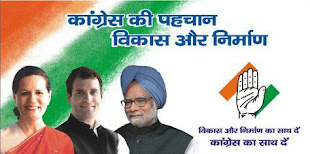

 Posts

