


.jpg)
Showing posts with label Other. Show all posts
Showing posts with label Other. Show all posts

On 22 November, a senior journalist working with a prominent Malayalam newspaper wrote a poignant post on her Facebook account about sexual abuses her classmates had to face in a Madarassa years ago. For more than 24 hours now, journalist VP Rajeena’s Facebook account has been blocked, and she continues to receive threats.
In the Facebook post that became controversial Rajeena reminisced about an ‘Ustad’ or teacher at a Sunni Madarassa in Kozhikode city, who would feel up her male classmates’ private parts. She described how young boys in the class would be summoned by the ‘Ustad’ and asked to unzip their shorts. Rajeena said that even as the boys squirmed, the girls too were left embarrassed and shocked. The ‘Ustad’ would then tell the boys that he was only checking the size, she wrote. She also talked about how such experiences were spread out across her six years of education at the Madarassa and even the girls in her class were not spared. The journalist also alleged that another ‘Ustad’ who was above 60 years would move around the class during power cuts and sexually abuse minor girls.
Ever since Rajeena put up the Facebook post, she was at the receiving end of a barrage of abuses and threats, forcing her to write another post in which she declared that despite everything, she would remain fearless.
"Curses... Abuses... Venom spewing... Let everything befall on me. But I am least afraid because Allah is with me. And so, even if the whole world turns against me, I will not fear. It is becoming clearer that whatever I did was the correct thing. Even my life is at stake. History is replete with such stories of annihilation of voices that dissent. I am ready to face that." (Translated by Firstpost).
“After I put up the Facebook post my account was blocked for some time and it later came back. But from Wednesday morning it was blocked again and has not been reinstated by Facebook,” Rajeena told The News Minute (at the time of writing this on Wednesday night Rajeena’s Facebook account was still blocked, but the account was restored on Thursday morning.)

Rajeena believes she is being targeted for various reasons. “I am a woman, a Muslim woman that too and a journalist, so such a revelation from me was unacceptable for many. What should have lead to a healthy debate on child sexual abuse has denigrated to a fight against me. I have been called an anarchist and someone with an agenda to defame a particular religion,” she said.

A Palestinian poet has been sentenced to death by a Saudi Arabian court for allegedly abandoning his Muslim faith, Human Rights Watch reports. The death sentence comes after an initial 2014 verdict that sentenced the poet to four years in prison and 800 lashes.
Poet Ashraf Fayadh was detained in Abha, southwest Saudi Arabia, in 2013 due to allegations by a prosecution witness, who claimed he heard Fayadh cursing God, the Prophet Mohammed and Saudi Arabia. Also, the prosecution alleged offenses based on a book of poems Fayadh had written several years prior to that.
The poet’s friends, however, believe he was being punished for posting a video showing Saudi Arabia’s religious police (mutaween) lashing a man in public.
“They accused me [of] atheism and spreading some destructive thoughts into society,” Fayadh told The Guardian. The book, “Instructions Within,” published in 2008, was “just about me being [a] Palestinian refugee … about cultural and philosophical issues. But the religious extremists explained it as destructive ideas against God.”
Human Rights Watch’s Middle East researcher Adam Coogle, who says he has seen the trial documents, confirmed Friday that the death sentence handed down to Fayadh, a Palestinian national, was on charges of “apostasy.”
“I have read the trial documents from the lower court verdict in 2014 and another one from 17 November. It is very clear he has been sentenced to death for apostasy,” Reuters cited Coogle as saying.
According to the court documents, Fayadh denied the blasphemy accusations, saying he is a faithful Muslim.
I am repentant to God most high and am innocent of what appeared in my book mentioned in this case,” he said.
The justice system of Saudi Arabia is not only based on Islamic Sharia law, but is also under great influence from the Wahhabi school of Sunni Islam, an ultra-conservative interpretation of Sharia that does not hesitate to designate the death penalty for apostasy and blasphemy.
The main reason why the initial ruling of four years in prison and 800 lashes has been replaced with the death sentence is that Saudi judges are empowered to impose sentences according to their own interpretation of Sharia law. In Fayadh’s case, a second judge ruled that the defense witness testimony was ineligible and considered only the testimony of the prosecution witness.
“I was really shocked but it was expected, though I didn’t do anything that deserves death,” Fayadh told The Guardian.
There is still a chance that Fayadh could avoid being executed. He has 30 days to appeal the ruling, and failing that, if his case passes through all the stages of the judicial system, specifically the lower courts, the appeals courts and the Supreme Court, he could in theory still be pardoned by the Saudi Arabian ruler, King Salman.
Earlier, liberal writer Raif Badawi, who was sentenced to 10 years in prison and 1,000 lashes for blasphemy last year, received his first 50 lashes in January, sparking international outcry. Although Badawi continues to serve his term in prison, foreign diplomats in Saudi Arabia believe he is not likely to face more floggings.
As for Fayadh’s fate, so far Saudi Arabia's officials and Justice Ministry have not made any official comment on the issue.

Everybody agrees that justice delayed is justice denied. And yet, trials continue for several generations in our country. The condition is such that people are suffering from what can be called ‘ancestral trials’. An individual passes away, but the trials seem to continue. That is why innocent people sometimes spend their life behind bars. It has happened many a time that after spending the whole life behind bars or even after a person’s death, the verdict comes that the person was innocent. In that case, it is worthless to say who is responsible for the injustice that has happened to them. Nobody in this world can give back the time wasted behind the bars. The family of those people who get involved in trials also face a lot of difficulties in their life. They keep circling around the courts and the lawyers. During each circle, the lawyer earns a huge amount of money and the people lose a huge amount of money. In this era of unemployment and inflation, it is very difficult to earn money and often it is also difficult to manage two full meals a day. Filling the deposit boxes of the lawyer with this limited income is also not less than any kind of punishment.
In the courts country-wide, more than 3 crores cases are pending presently. A point of even greater concern is that out of those 3 crores cases, 60 per cent cases are related to the Government. In several cases the agonist and the antagonist states along with the Central Government are also present. The maximum cases are related to the Income Tax Department, Home Department, Finance Department, Industry Department, Mining-Petroleum Department, Forest Department, Public Health Engineering Department (PHED), Education Department, Village Councils, Transport and Revenue Department plus 19 other departments. The maximum cases that are against the Government are related to tax. S.S. Palanimanickam, Union Minister of State, Finance said in the Lok Sabha that 5860 cases related to direct tax worth Rs. 2707 crores are pending in the Supreme Court whereas 29650 cases related to direct tax worth Rs. 36,340 crores are still pending in the High Courts. He also said that 2855 cases related to indirect tax worth Rs. 8130 crores are pending in the Supreme Court whereas 14,626 cases related to indirect tax worth Rs. 11,459 crores are still pending in different High Courts of the country. Palanimanickam also said due to some ‘irremediable’ processes of the Government the outstanding taxes are not been collected. The recovery of the outstanding taxes is also not possible due to the suspension of application by the Appeal officials and also due to suspension of the cases by the courts.
Out of the total pending cases, 74 per cent cases fall within the last five years. Salman Khurshid, Law and Justice Minister, said in the Rajya Sabha that till 30 September 2010, 57,179 cases were pending in the Supreme Court, whereas 42,17,903 cases were pending in the High Courts and 2,69,86,307 cases in the lower courts.
Other than the impotency of the Judicial System, the reason behind the huge number of pending cases in the courts is also a glaring shortage of Judges. In proportion to the country’s population, the number of judges is less. There are 135 judges per 10 lakhs in America. Likewise in Canada it is 75, In Australia it is 57 and in Britain it is 50 whereas in India there are only 13 judges per 10 lakhs population. Despite this, the judge’s post in different courts are still empty. Last year, in about 21 High Courts of country-wide, 279 posts were empty, although 895 recommended posts are present in those High Courts. There are 160 posts for judges in the Allahabad High Court, but only 69 judges are present — that means 91 posts are still empty. In the High Courts of Haryana and Punjab there should be 68 judges in total, but only 20 judges are present and 48 posts are vacant. In Kolkata High Court, only 17 judges are present, whereas there should 58 judges in total. There 41 posts still vacant.
There are only 13 judges in the High Court of Rajasthan, but there should be 40 judges which means 27 posts are vacant. Gujarat High Court also has only 22 judges, whereas there should be 42 judges, 20 posts are vacant and in Sikkim High Courts only one judge is present, whereas there should be 3 in total. District and Subordinate courts are also more or less in the same situation. In total, 18,008 posts are recommended in those courts, whereas 3,634 posts are still vacant. In Gujarat, there are 1679 posts for judges, but only 863 judges are present and 816 posts are empty. Only 681 judges are present in Bihar, whereas the requirement is 1666 judges. 1897 judges are working in Uttar Pradesh, whereas 207 posts are still vacant. The requirement of judges in West Bengal is around 146. Around 194 posts are still vacant in Maharashtra. The other states of the country are more or less in the same situation. As a consequence, delays in court cases inevitable. The Prime Minster of India, Dr. Manmohan Singh, Chief Justice of India, Mr. Sarosh Homi Kapadia and Law and Justice Minister, Mr. Salman Khurshid have agreed that in India cases in the courts run for a longer period of time and decisions also come very late.
Cabinet Minister and famous Advocate Kapil Sibal said that the biggest obstacles for appointing new Judges are the State Governments. They always cry over the deficiency of money. Justice is on the last pedal in their priority list.
The Government has now taken some major steps for rapid completion of court cases. According to this the Government has approved the National Justice Delivery and the Legal Reform Mission. In the financial year 2011-12, for infrastructure development, the Central government has alloted Rs. 500 crores _ five times more than the previous allotment. For the States, it has also been increased from 50:50 to 75:25 and for the Northern states it is kept as 90:10. Other than this, for the period in between 2010 to 2015, the Government has approved the recommendation of Rs. 5000 crores mentioned in the 13th Five Year Plan for the development of a viable justice pattern in the country. In 2010-11, the State Governments have already been granted Rs. 1000 crores each. With the help of these grants, the State Governments can build Morning/Evening/Special Magistrate courts in order to reduce the number of pending cases in their respective states. They can appoint court stewards; build Alternative Dispute Resolution (ADR) Centers, provide training for the consultants and arrange more people for the courts. Grants are also been allotted for the training of Justice Officials, for making the State Justice academies more powerful, for the training of the public prosecutors and for the maintenance of the heritage courts. To make all the judicial processes computerised, the Government has alloted Rs. 935 crores for every district and Subordinate courts of the country. This process has been under way since 1997. Till 31 March 2012, around 12,000 courts are to be computerised and till 31 March 2014, 14.249 courts are to be computerised. State case policy is also being prepared with the aim of making the Government efficient and responsible. If the cases in which the Government is involved are reduced then the courts will get more time to resolve the other pending cases.
To provide justice to the people at ground level, village courts are to be constructed under the Village Court Act-2008. The Central Government is also providing expenses for the construction of village courts. For the first 3 years the amount for the help allotted is to be Rs. 3.20 lakhs per village court per year.
Justice After Five Decades
In a five decades old case, on August 2007, the Supreme Court gave a decision in favour of a farmer named Rajendra who died a few years ago. This land dispute case reached the court in 1957. In 1964, the Allahabad High Court stipulated the land was in Rajendra Singh’s name. The Supreme Court also deemed this decision to be correct. The persons, who occupied the land namely Prem Mai and Sudha Mai, also didn’t challenge this decision. In that case Rajendra Singh should have got the land, but in 1991 the High Court again interfered in this case and dissolved the final decision. In 2001, Rajendra Singh knocked at the door of the Supreme Court and in August 2007, Rajendra Singh got the decision in his favour. But Rajendra Singh had passed away a few years before the decision was given. In this issue the Court sorrowfully said that if the trust of the common people is to be reinstated in the Judicial system, then the cases should be completed expeditiously.


Agra (Uttar Pradesh). Justice Rajinder Sachar, former Chief Justice of Delhi Court and much famed panel headed by him on Muslim minorities in 2006 called Sachar Committee said in Mathura on Friday that more Hindus are involved in beef trade in India than Muslims. He said this in three days International Conference on Radical Islam in the wake Paris attack. His statement reads, “Almost 95% of beef traders are Hindus. Still, a man was lynched in Dadri because he ate beef. This is the death of mankind and humanity. Eating habits have nothing to do with religion. Even I can eat beef”.
In a subtle reference to BJP’s Sardhana MLA Sangeet Soma, who recently made news over allegation about owning a beef trading company,Mr Sachar told “MPs and MLAs too own beef company. Then why is only the common man being targeted by right wing groups”.
As soon as he delivered this at RC Degree College at Mathura, people comprising mostly scholars and teachers started leaving the venue in protest. A few of them also switched fans and lights in the hall to disrupt the address and demanded Sachar to stop the address.However,the former High Court Judge tried to pacify the audience by saying that he only meant to highlight the plight of Muslims who were being targeted unnecessarily due to the beef controversy.
Among the audience present at the venue, Mr Shiv Ram Bhardwaj,a teacher at a Degree College, Mathura did not like the comment made by Mr Sachar and told that Mr Sachar tried to turn a “pro Muslim topic into an Hindu one”. Another teacher present at the venue Yaduraj Yadav told Justice Sachar should not have made reference to Hindus and their scriptures to drive home his point. Several scholars and delegates from India, Afghanistan, Bangladesh, Canada and other countries were present at the Conference

K.N. Govindacharya, former BJP ideologue who now devotes his time to issues related to Ganga rejuvenation and cow protection, has decided to postpone, indefinitely, an agitation against cow slaughter that had been slated for November 7.
Speaking to The Hindu, Mr. Govindacharya, whose association with the BJP practically ended after his public differences with then Prime Minister Atal Bihari Vajpayee in 1998, said that he was “disturbed by the politicisation of the issue and didn’t want to launch the agitation in such a political atmosphere.”
“Cow protection is not a religious issue, and unfortunately it is being made one. Gai buchadkhaane tabhi pahunchti hai jab kisan usey bechta hai (cows end up at a slaughterhouse only when the farmer lets go of it),” he said. “For 80 per cent of this process, why are we blaming the Muslims who are at the end of a long line of people trading cows?” he said. “We [Rashtriya Swabhiman Andolan] have decided to postpone [the agitation] as we feel that this is not the right time for it,” he added.
Economic questions
He pointed out that to link the issue of cow slaughter with the Muslim community was wrong as it was the British rather than Muslim rulers of India who promoted cow slaughter. “Cow slaughter came up in a big way after the revolt of 1857, when the British saw this as a way of driving a wedge between the two communities. Under Mughal rule too, cow slaughter used to happen but not on such a huge scale,” he said.
He said that his objection to cow slaughter was more to do with economic questions rather than related to faith or religion. “The way farming is being done in the country, is making the cow peripheral to the exercise, making it a tradeable commodity. We need to decide as a society, whether we want an economic and agricultural system which is in harmony with nature and our faith, or blindly copy western prototypes that create these situations,” he said. “We need to keep our cattle wealth and agricultural economy front and centre while devising policy, that is the surest way to protect ‘gau vansha’ (cow genealogy).”

Over 90% of Muslim women, surveyed by Bharatiya Muslim Mahila Andolan (BMMA) across 10 states, want a ban on oral and unilateral Talaq (divorce) and have rejected polygamy.
The survey, released in New Delhi on Thursday, also revealed that an overwhelming number of women — 88.5% of the total 4,710 women surveyed — want action against the cleric for sending notice of oral divorces. A staggering 93% women also stated that they wanted arbitration to be made mandatory before a divorce.
“Around 91.7% or 4,320 women have spoken out against polygamy saying that a Muslim man should not be allowed to have another wife during the subsistence of the first marriage,” stated the survey findings, which covered states like West Bengal, Maharashtra, Bihar and Jharkhand.
The survey report also stated that 83.3% Muslim women surveyed believed that codification of Muslim family law will help them get justice.
“This is a very important finding which suggests that women want an elaborate codified law based on the Quranic justice framework to cover matters such as age of marriage, divorce, polygamy, maintenance and custody of children,” said Mumbai-based Noorjehan Safia Niaz, who along with Zakia Soman conducted the survey.
Niaz said that the survey was an attempt to give voice to what Muslim women want rather than letting others speak on their behalf.
“For long, everyone else has been speaking on behalf of Muslim women in India. We wanted to find out what do Indian Muslim women think and want so we conducted the survey which took us two years to complete. An overwhelming number of women want reforms in Muslim personal law as is prevalent in the country today,” said Niaz.
Courtesy :Hindustan Times

فردوس خان
ہندوستان کی کثیر آبادی کے درمیان ایک بڑا طبقہ ایسا بھی ہے، جسے آزادی کے طویل عرصہ بعد بھی مجرموں کی طرح پولس تھانوں میں حاضری لگانی پڑتی تھی۔ آخر کار 31اگست، 1952کو اسے اس سے نجات تو مل گئی، لیکن اسے کوئی خاص توجہ حاصل نہیں ہوئی۔نتیجتاًاس کی حالت بدسے بدتر ہوتی چلی گئی۔ اس سماج کے لوگوں کو ملال اس بات کا ہے کہ جہاں ملک کی دیگر برادریوں نے ترقی کی، وہیں وہ مسلسل پسماندہ ہوتے چلے گئے۔ان کے پشتینی دھندے ختم ہوتے چلے گئے اور انہیں سرکاری سہولیات کا بھی مکمل فائدہ نہیں مل پایا۔ قابل غور ہے کہ ملک میں 15اگست بطور جشن آزادی منایا جاتا ہے، لیکن انہی خوشنما لمحوں کے درمیان سماج میں ایک ایسا طبقہ بھی ہے، جو اس دن کو کوئی خاص اہمیت نہیں دیتا۔ گھومنتو برادری کے یہ لوگ 31اگست کو آزادی کا جشن مناتے ہیں۔
آل انڈیا ومکت جاتی مورچہ کے ممبر بھولا کا کہنا ہے کہ ایسا نہیں ہے کہ ہم یوم آزادی نہیں مناتے، لیکن حقیقت تو یہی ہے کہ ہمارے لئے15اگست کے بجائے 31اگست کی زیادہ اہمیت ہے۔ وہ بتاتے ہیں کہ 15لوگوں کو دن میں تین بار پولس تھانہ میں حاضری لگانی پڑتی تھی۔ اگر کوئی شخص بیمار ہونے یا کسی دوسری وجہ سے تھانہ میں موجود نہیں ہوپاتا تو پولس کے ذریعہ اسے اذیتیں دی جاتیں۔ اتنا ہی نہیں، چوری یا کوئی دیگر مجرمانہ واردات پر بھی پولس کا قہر ان پر ٹوٹتاتھا۔ یہ سلسلہ طویل عرصہ تک چلتا رہا۔ آخر کار عاجز آ کر تشدد کے شکار لوگوں نے اس انتظامی تسلط کے خلاف آواز بلند کی اور پھر شروع ہوا لوگوں میں بیداری لانے کا سلسلہ۔لوگوں کی جدوجہد رنگ لائی اور پھر سال 1952میں انگریزوں کے ذریعہ 1871میں بنائے گئے ایکٹ میں ترمیم کی گئی۔ اسی سال 31اگست کو گھومنتو برادری کے لوگوں کو تھانہ میں حاضری لگانے سے نجات ملی۔
اس وقت ملک میں ومکت برداری کے 192قبیلوں کے تقریباً20کروڑ لوگ ہیں۔ ہریانہ کی تقریباًساڑھے سات فیصد آبادی اسی برادری کی ہے۔ ان ومکت برداریوں میں سانسی، باوریا، بھاٹ، نٹ بھیڑ کٹ اور ککر وغیرہ بھی شامل ہیں۔ بھاٹ برداری سے تعلق رکھنے والے پربھو بتاتے ہیں کہ 31اگست کے دن قبیلے کے رسم و رواج کے مطابق اجتماعی رقص کا انعقاد کیا جاتا ہے۔ خواتین جمع ہو کر پکوان بناتی ہیں اور اس کے بعد اجتماعی عشائیہ ہوتا ہے۔ بچے بھی اپنے اپنے طریقوں سے خوشی کا اظہار کرتے ہیں ۔ کئی قبیلوں میں پتنگ بازی کا انعقاد کیا جاتا ہے۔ جیتنے والے لوگوں کو تقریب کی زینت سمجھا جاتا ہے۔ لوگ انہیں مبارکباد کے ساتھ ساتھ انعام بھی دیتے ہیں۔ان برادریوں کے لوگوں کے اداروں میں31اگست کو یوم آزادی منایاجاتا ہے۔ ان پروگراموں میں مرکزی وزراء سے لے کر مختلف سیاسی جماعتوں کے نمائندگان اور سرکاری افسران بھی شرکت کرتے ہیں۔ ان کی تیاریوں کے لئے تنظیم کے عہدیداران گائوں گائوں کا دورہ کر کے لوگوں کو تقریب کے لئے مدعو کرتے ہیں۔
ہریانہ کے علاوہ ملک کی د یگر ریاستوں میں بھی قبائلی سماج کی دیگر برادریاں رہتی ہیں، جن میں آندھرا پردیش میں بھیلی، چینچو، گونڈ، کانڈا، لمباڈی، سنگلی اور نائک ۔ آسام میں بوشے، کچاری مکر یعنی کاربی، لنلگ، راتھا، دماسا، ہمر اور ہجونگ۔بہار اور جھارکھنڈ میں جھمور ،بنجارا، برہور، کوروا، منڈا، اورائو، سنتھال، گونڈ اور کھنڈیا۔ گجرات میں بھیل، ڈھوڈیا،گونڈ،سدی،بورڈیا اور بھیلالا۔ ہماچل پردیش میں گدی،لاہوآلا اور سوانگلا۔ کرناٹک میں بھیل،چینچو، گائوڈ ، کروبا، کمارا، کولی، کوتھا، میاکا اور ٹوڈا۔کیرل میں آدیم، کونڈکپو ،ملیس اور پلیار۔مدھیہ پردیش میں بھیل، برہور ، امر، گونڈ، کھریا،ماجھی، منڈا اور اورائوں۔ چھتیس گڑھ میں پرہی، بھیلالا،بھیلائت، پردھان، راجگونڈ، سہریا، کنور،بھینجوار ،بیگا، کول اور کورکو۔ مہاراشٹر میں بھیل،بھونجیا،ڈھوڈیا،گونڈ، کھریا، نائک،اورائوں،پردھی اور پتھنا۔ میگھالیہ میں گارو، کھاسی اور جینتیا۔اڑیسہ میں جوانگ، کھانڈ ،کرووا،منڈاری، اورائوں، سنتھال،دھاروآ اور نائک، راجستھان میں بھیل، دمور، گرستہ،مینا اور سلریا۔ تمل ناڈو میں ارولر، کمرار ، کونڈکپو،کوٹا، مہملاسر، پلین اور ٹوڈا۔ تریپورہ میں چکما ،گارو، کھاسی، کوکی، لوسائی،لیانگ اور سنتھال۔ مغربی بنگال میں اسور، برہور، کوروا، لیپچا، منڈا، سنتھال اور گونڈ۔ میزورم میںلوسئی،ککی، گارو، کھاسی، جینتیا اور مکٹ۔ گوا میں ٹوڈی اور نائک۔دمن و دیپ میں ڈھوڈی، مکڑ اور ورتی۔ انڈمان میں جاروا، نکوبارمیں،اونجے،سینٹی نیلج،شومپینس اور گریٹ انڈمانی۔ اتر پردیش اور اتراکھنڈ میں بھاٹی، بکسا، جونساری اور تھارو۔ ناگالینڈ میں ناگا، ککی، مکٹ اور گارو۔ سکم میں بھوٹیا اور لیپچا۔ جموںو کشمیر میں چدمپا، گرا، گور اور گڈی وغیرہ شامل ہیں۔ ان میں سے دیگر برادریاں اپنے حقوق کے لئے جدوجہد کر رہی ہیں۔
انڈین نیشنل لوک دل کے ٹپری واس ومکت جاتی مورچہ کے ضلع صدر بہادر سنگھ کا کہنا ہے کہ آزادی کی 6دہائیوںکے بعد بھی قبائلی سماج کی گھومنتو برادریاں ترقی سے کوسوں دور ہیں۔ وہ کہتے ہیں کہ ان برادریوں کی سماجی اور اقتصادی ترقی کے لئے حکومت کو چاہئے کہ وہ انہیں مقامی طور پر آباد کریں۔ ان کے لئے بستیاں بنائی جائیں اور مکان مہیا کرائے جائیں، بچوں کو مفت تعلیم دی جائے اور ایس ٹی کا درجہ دیا جائے، تاکہ انہیں بھی ریزرویشن کا فائدہ مل سکے۔ قبائلی سماج کی بیشتر برادریاں آج بھی بدحالی کی زندگی گزارنے پر مجبور ہیں۔ وزارت دیہی ترقیات کے ایک سروے کے مطابق ان برادریوں کا نصف سے زیادہ حصہ خط افلاس سے نیچے پایا گیا ہے۔ ان کی فی کس آمدنی ملک میں سب سے نیچے رہتی ہے۔ ایک رپورٹ کے مطابق،درج فہرست قبائل کی 9,17,590 ایکڑ زمین کا تبادلہ کیا گیا اور محض5,37,610ایکڑ زمین ہی انہیں واپس دلائی گئی۔
گھومنتو برادری کی بدحالی کے مختلف اسباب ہیں، جن میں جنگلوںکی تباہ کاری اہم طور پر شامل ہے۔ جنگل ان کی گزر بسر کا واحد وسیلہ ہے، لیکن ختم ہو رہے جنگلاتی وسائل ان کے ایک بڑے حصے کے وجود کو پریشانی میں ڈال رہے ہیں۔ بیداری کا فقدان بھی ان برادریوں کی ترقی میں رکاوٹ بنا ہواہے۔مرکزی اور ریاستی حکومتوں کے ذریعہ شروع کئے گئے ترقی سے متعلق مختلف پروگراموں، اسکیموں کے بارے میں گھومنتو برادری کے لوگوں کو جانکاری نہیں ہے، جس سے انہیں ان کا کوئی بھی فائدہ نہیں مل پاتا۔ پانچویں پنج سالہ اسکیم کے تحت ملک بھر میں درج فہرست قبائلیوں کی ترقی کے لئے ٹرائبل سب اسٹریٹجی (ٹی ایس پی) اسکیم بھی تیار کی گئی ہے۔اس کے تحت عموماً درج فہرست قبائلیوں سے بسے مکمل علاقہ کو ان کی آبادی کے حساب سے کئی زمروں میں شامل کیا گیا ہے۔ان زمروںمیں اٹرگریٹیڈ ایریا ڈیولپمنٹ پروجیکٹ (ٹی ڈی پی)،موڈیفائڈ ایریاڈیولپمنٹ ایپروچ (ماڈا)، کلسٹر اور آدم درج فہرست قبائل گروپ شامل ہیں۔ قبائلیوں کی وزارت کے دفتر نے درج فہرست قبائل کی فلاح اور ترقی کے لیے بنائی گئی اسکیموں پر عمل درآمد جاری رکھا ہے، لیکن افسوس کی بات یہ ہے کہ لاعلمی،بدعنوانی اور لال فیتا شاہی کے سبب مذکورہ برادریاں اسکیموں سے مستفید نہیں ہو پاتی ہیں۔ اس کے لئے ضروری ہے کہ بیداری مہم چلا کر ان برادریوں کی ترقی کے لئے کارگر اقدامات کیے جائیں، ورنہ حکومت کی فلاحی اسکیمیں کاغذوں پر ہی سمٹ کر رہ جائیں گی۔

فردو س خان
تعلیم مہذب سماج کی بنیاد ہے۔ تاریخ گواہ ہے کہ تعلیم یافتہ قوموں نے ہمیشہ ترقی کی ہے۔ کسی بھی شخص کی اقتصادی اور سماجی ترقی کے لیے تعلیم بہت ضروری ہے۔افسوس کی بات یہ ہے کہ جہاں مختلف فرقے تعلیم کو اہمیت دے رہے ہیںوہیں مسلم سماج آج بھی اس معاملے میں بے حد پسماندہ ہے۔ہندوستان میں خاص کر خواتین کی حالت بے حد خراب ہے۔سچر کمیٹی کی رپورٹ کے اعداد و شمار بھی اس بات کو ثابت کرتے ہیں کہ دیگر فرقوں کے مقابلے مسلم خواتین اقتصادی، سماجی اور تعلیمی طور پر کافی پچھڑی ہوئی ہیں، لیکن خاص بات یہ ہے کہ تمام مشکلوں کے باوجود مسلم خواتین مختلف میدانوں میں کامیابی درج کر رہی ہیں۔
سچر کمیٹی کی رپورٹ کے مطابق ملک بھر میںمسلم خواتین کی خواندگی شرح53.7فیصد ہے۔ان میں سے بیشتر خواتین صرف حرف شناشی تک ہی محدود ہیں۔7سے 16برس کی عمر کی اسکول جانے والی لڑکیوں کی شرح صرف 3.11فیصد ہے۔شہری علاقوں میں 4.3فیصد اور دیہی علاقوں میں2.26فیصد لڑکیاں ہی اسکول جاتی ہیں۔
سال2001میں شہری علاقوں میں70.9فیصد لڑکیاں ابتدائی سطح تک ہی تعلیم حاصل کر پائیں، جبکہ دیہی علاقوں میں یہ شرح47.8فیصد ہے۔سال1948میں یہ شرح بالترتیب 13.9اور4.0فیصد تھی۔سال2001میںآٹھویں کلاس تک تعلیم حاصل کرنے والی شہری علاقوں کی لڑکیوں کی شرح 51.1فیصد اور دیہی علاقوں میں 29.4فیصد ہے۔سال1948میں شہری علاقوں میں5.2فیصد اور دیہی علاقوں میں 0.9فیصد لڑکیاں ہی مڈل سطح تک تعلیم حاصل کر پائی تھیں۔ سال2001میں میٹرک سطح تک تعلیم حاصل کرنے والی لڑکیوں کی شرح شہری علاقوں میں32.2فیصد اور دیہی علاقوں میں 11.2فیصد ہے۔سال1948میں یہ شرح بالترتیب 3.2اور 0.4 فیصد تھی۔
تعلیم کی ہی طرح خود مختاری کے معاملے میںبھی مسلم خواتین کی حالت تشویشناک ہے۔سچر کمیٹی کی رپورٹ کے مطابق 15سے64سال کی ہندو خواتین(46.1) فیصد کے مقابلے صرف25.2فیصد خواتین ہی بر سر روزگار ہیں۔ بیشتر مسلم خواتین کو پیسوں کے لیے اپنے کنبے کے لوگوں پر ہی منحصر رہنا پڑتا ہے، جس کے سبب وہ اپنی مرضی سے اپنے اوپر ایک بھی پیسہ خرچ نہیں کر پاتیں۔یہ ایک کڑوی حقیقت ہے کہ مسلم خواتین کی بدحالی کے لیے ’’مذہبی وجوہات‘‘ کافی حد تک ذمہ دار ہیں۔ان میں برقعہ کا چلن، کئی بیویوں کا رواج اور طلاق کے معاملے اہم طور پر شامل ہیں۔ لڑکوں کی تعلیم کے بارے میں مسلم والدین کی دلیل ہوتی ہے کہ تعلیم حاصل کرنے سے کون سی انہیں سرکاری نوکری مل جائے گی۔پھر پڑھائی پر کیوں پیسہ برباد کیا جائے؟بچوں کو کسی کام میں ڈال دو، سیکھ لیں گے تو زندگی میں کما کھا لیں گے۔وہیں لڑکیوں کے معاملے میں والدین کہتے ہیںکہ سسرال میں جاکر چولہا چوکا ہی تو سنبھالنا ہے، اس لیے بہتر ہے کہ لڑکیاں سلائی کڑھائی اور گھر کا کام کاج سیکھ لیں۔سسرال میں جاکریہ تو سننا نہیں پڑے گا کہ ماں نے کچھ سکھایا نہیں۔
مرادآباد کی رہنے والی50سال کی کامنی صدیقی بتاتی ہیں کہ وہ پڑھنا چاہتی تھیں، لیکن گھر والوں نے ان کی پڑھائی درمیان میں ہی روک دی۔وہ پانچویں کلاس میں پڑھتی تھیں، تبھی ان کو پردے میں رہنے کے لیے کہہ دیا گیا۔ ان سے کہا گیا کہ وہ صرف گھر کے کام کاج سیکھ لیں۔ سسرال میں یہی سب کام آئے گا۔پڑھ لکھ کر کون سی نوکری کرنی ہے۔انہیں اس بات کا ملال ہے کہ پڑھ نہیں پائیں، لیکن وہ اپنی بیٹیوں کو اعلیٰ تعلیم دلانا چاہتی ہیں۔ان کی چار بیٹیاں ہیں اور چاروں پڑھ رہی ہیں۔انھوں نے کہا کہ وہ اپنی بیٹیوں کے ساتھ وہ سب نہیں ہونے دیں گی جو ان کے ساتھ ہوا۔ شبانہ اور نشاط نے پچھلے سال ہی دسویں کا امتحان پاس کیا ہے، وہ بتاتی ہیں کہ غریبی کی وجہ سے ان کے والدین انہیں تعلیم دلانے میںنا اہل تھے۔ اس لیے انھوں نے اپنی ماں کے ساتھ بیڑیاں بنا کر اپنی پڑھائی کے لیے پیسے اکٹھا کیے۔ان کا کہنا ہے کہ سبھی لڑکیوں کو تعلیم حاصل کرنی چاہئے، کیونکہ تعلیم زندگی کو بہتر بناتی ہے۔ اب وہ بیوٹیشین کا کورس کرکے اپنا بیوٹی پارلر کھولنا چاہتی ہیں۔ راج مستری کا کام کرنے والے علی محمد نے اپنی چاروں بیٹیوں کو تعلیم دی ہے، ان کی دو بیٹیاں دسویں پاس ہیں اور دو نے بی اے تک پڑھائی کی ہے۔وہ کہتے ہیں کہ والدین اپنی بیٹیوں کے لیے جہیز اکٹھا کرتے ہیں، لیکن ہم نے ایسا نہ کرکے ان کی تعلیم پر پیسہ خرچ کیا۔تعلیم ہی میری بیٹیوں کا زیور ہے، جو ساری عمر ان کے کام آئے گا۔چاروں بہنیں گھر پر زردوزی کا کام بھی کرتی ہیں، وہ کہتی ہیں کہ پہلے بچولئے سے کام لیا کرتی تھیں مگر اب وہ دوکانداروں سے براہ راست رابطہ کرتی ہیںجس سے انہیں پہلے سے زیادہ منافع ہوتا ہے، کیونکہ بچولیا انہیں بہت کم پیسہ دیتا تھا۔
حالانکہ اسلام میں تعلیم کو بہت اہم مانا گیا ہے۔اس کے باوجود مسلم سماج کے رہنمائوں نے تعلیم پر کوئی خاص زور نہیں دیا، جس کے سبب مسلم سماج پچھڑتا چلا گیا۔مولانا خالد رشید فرنگی محلی نے بھی ایک فتویٰ جاری کرکے کہا ہے کہ تعلیم حاصل کرنا ہر مسلمان کے لیے لازمی ہے۔چاہے وہ مرد ہو یا خاتون۔مسلمانوں کو چاہئے کہ وہ لڑکیوں کی تعلیم پر خاص توجہ دیں، کیونکہ ایک تعلیم یافتہ خاتون پورے کنبے کو مہذب بنا سکتی ہے۔اولاد کی بہتر پرورش کے لیے ماں کا تعلیم یافتہ ہونا بے حد ضروری ہے۔ان کا کہنا ہے کہ موجودہ دور میں مسلمانوں کی پسماندگی کی سب سے بڑی وجہ نا خواندگی ہے۔ایک حدیث میں بھی کہا گیا ہے کہ ایک مرد نے پڑھا تو سمجھو ایک فرد نے پڑھا اور اگر ایک خاتون نے پڑھا تو سمجھو ایک پریوار ، ایک خاندان نے پڑھا۔فتوے میں یہ بھی کہا گیا ہے کہ اسلام ہی ایک ایسا مذہب ہے جس نے اولاد تو اولاد نوکرانیوں کو بھی پڑھانے پر زور دیا ہے۔ اس سے صاف ظاہر ہے کہ مسلم لڑکیوں کو دانستہ طور پر تعلیم سے دور رکھنے کی کوشش کی گئی ہے، جس سے وہ اپنے حقوق کے تئیں بیدار نہ ہو سکیں۔حضرت محمدﷺ کے دور میں خواتین مساجد میں جاکر نماز ادا کیا کرتی تھیں۔ بے شمار جنگوں میںخواتین نے اپنی جنگی صلاحیتوں کا لوہا بھی منوایا۔جنگ احد میں جب حضرت محمدﷺ زخمی ہو گئے تو ان کی بیٹی فاطمہؓ نے ان کا علاج کیا۔اس دور میں بھی رفائدہ اور میمونہ نام کی مشہور خاتون معالج تھیں۔رفائدہ کا تو میدان نبوی میں اسپتال بھی تھا، جہاں سنگین حالت میں مریضوں کو داخل کیا جاتا تھا۔ مسلم خواتین سرجری بھی کرتی تھیں۔ام زیاد، شاذیہ، بنت مائوز، معازت الاپگریا، عطیہ اسریا اورسلیم انصاریہ وغیرہ اس زمانے کی مقبول سرجن تھیں۔ میدان جنگ میں خواتین ڈاکٹر بھی مردوں کے جیسا ہی لباس پہنتی تھیں۔خاتون عالمہ رابعہ بصری کی شہرت دور دور تک پھیلی ہوئی تھی۔مرد عالموں کی طرح وہ بھی مذہبی اجلاس میں شرکت کیا کرتی تھیں۔سیاست میں بھی خواتین نے ناقابل فراموش کام کئے۔ رضیہ سلطان ہندوستان کی پہلی خاتون حکمراں بنیں۔ نور جہاں بھی اپنے وقت کی مقبول سیاست داں رہیں، جو حکومت کا بیشتر کام کاج دیکھتی تھیں۔1857کی جنگ آزادی میں کانپور کی ہر دلعزیز رقاصہ عزیزن بائی سارے عیش و آرام ٹھکرا کر ملک کو غلامی کی زنجیروں سے چھڑانے کے لیے جنگ آزادی میں کود پڑیں۔انھوں نے خواتین کے گروپ بنائے جو مردانہ لباس میں رہتی تھیں۔وہ سبھی گھوڑوں پر سوار ہو کر اور ہاتھ میں تلوار لیکر نوجوانوں کو جنگ آزادی میں حصہ لینے کے لیے راغب کرتی تھیں۔اودھ کے نواب واجد علی شاہ کی بیوی بیگم حضرت محل نے ہندو مسلم اتحاد کو مضبوط کرنے کے لیے قابل ذکر کام کیے۔
موجودہ دور میں بھی مختلف میدانوں میں خواتین اپنی صلاحیتوں کا ثبوت دے رہی ہیں۔ترکی جیسے جدید ترین ملک میں نہیںبلکہ انتہاپسند سمجھے جانے والے پاکستان اور بنگلہ دیش میں خواتین کو وزیر اعظم بننے کا موقع ملا ہے۔واقعی یہ ایک خوشنما احساس ہے کہ مذہب کے ٹھیکیداروں کی تمام بندشوں کے باوجود مسلم خواتین آج سیاست کے ساتھ کھیل، تجارت، صنعت ، آرٹ، ادب، دفاع اور دیگر سماجی میدانوں میں بھی اہم رول ادا کر رہی ہیں۔جموں و کشمیر کے کلالی-ہلکاک علاقے کی منیرابیگم نے دہشت گردوں کامقابلہ کرنے کے لیے بندوق اٹھا لی۔انہی کے نقش قدم پر چلتے ہوئے سورن کوٹ کے گائوں کی دیگر خواتین نے بھی ہتھیار اٹھا کر دہشت گردو ںسے اپنے اہل خانہ کی حفاظت کرنے کا عہد لیا۔جموں و کشمیر کے راجوری ضلع کے کالسی گائوں کی رخسانہ کوثر نے دہشت گردو ںکو مار کر یہ پیغام دیا کہ ملک میں بہادر خواتین کی کوئی کمی نہیں ہے۔مغربی بنگال کے نندی گرام کی شبانہ آرا نے تمام رکاوٹوں کو پار کرکے قاضی کا عہدہ سنبھالا۔کیرل کے ناویکلم کی شازینہ نے کیرل یونیورسٹی سے سنسکرت میںایم اے کی اعلیٰ تعلیم حاصل کرکے اپنے خاندان کا نام روشن کیا۔مغربی بنگال کی پپیا سلطانہ وہاں کی پہلی خاتون ریاستی پولس افسر بنیں۔ایم بی اے کی ڈگری حاصل کرکے پپیا نے ریاستی پولس سروس کے امتحان کی تیاری شروع کر دی۔انہیں آگے بڑھنے کی ترغیب اپنی ماں سلمیٰ سے ملی ، جو مدرسے میں استانی ہیں۔پپیا کا ماننا ہے کہ ان کے والدین روشن خیال ہیں اور انہی کے تعائون سے آج وہ اس مقام تک پہنچ پائی ہیں۔
یہ ایک خوشنما احساس ہے کہ پچھلے کچھ برسوں میںاسکولوں میں داخلہ لینے والے مسلم بچوں خاص کر لڑکیوں کی تعداد میں اضافہ ہو رہا ہے۔نیشنل یونیورسٹی آف پلاننگ اینڈ ایڈمنسٹریشن کی ایک رپورٹ کے مطابق ابتدائی سطح یعنی پانچویں تک کے درجات میں 1.438کروڑمسلم بچے تعلیم حاصل کر رہے ہیں۔یہ تعداد ابتدائی سطح کے درجات میں داخلہ لینے والے کل13.438کروڑ بچوں کا11.03فیصد ہے۔ سال 2007-08میں یہ شرح 10.49فیصد تھی۔جبکہ2006-07میں یہ تعداد کل داخل بچوں کا9.39فیصد تھی۔ان درجات میں پڑھ رہے کل مسلم طلبا میں48.93فیصد لڑکیاں شامل ہیں۔سینئر سیکنڈری اسکولوں میں بھی مسلم بچوں کی تعداد میں اضافہ ہوا ہے۔یہ تعداد کل داخلے کی 9.13فیصد ہے۔قابل غور بات یہ بھی ہے کہ سینئر سکینڈری اسکولوں میں لڑکیوں کی تعداد مسلم طلبا کی تعداد کا50.03فیصد ہے، جبکہ سبھی فرقے کی لڑکیوں کا سینئر سکینڈری اسکولوںں میںکل داخلہ محض47.58فیصد ہے۔یہ رپورٹ ملک کی35ریاستوں اور مرکز کے زیر انتظام علاقوں کے633اضلاع کے 12.9 لاکھ تسلیم شدہ اسکولوں سے اکٹھا کی گئی جانکاری پر مبنی ہے۔یہ اعداد و شمار مسلم سماج میں تبدیلی کی علامات ہیں۔ پچھلے کچھ عرصے سے مسلم سماج میں بھی تعلیم کی قدر ہونے لگی ہے، اس لیے امید کی جا سکتی ہے کہ آنے والا وقت مسلم خواتین کے لیے تعلیم کی روشنی سے جگمگاتی صبح لیکر آئے گا۔

Kalpana Palkhiwala
Goraiya, the house-sparrow, the little sweetie in countless poetry, lyrics, songs and folk-songs and paintings, is today facing a crisis of survival. Its been several years now that we miss the familiar “chi-chi-chi” every morning and the lovely sight of Goraiyas dancing around.
Following inspiration from a retired forest officer in Gujarat, a movement is on to save house sparrow. People get artificial nests for sparrow, parrot and squirrels either in terracotta or from waste of corrugated boxes, hang them at their places on trees or passages, plant them in farms, fields and even residential bungalows. And regularly put water and grains.
Universally familiar in appearance, the widespread and once abundant house sparrow has become a mystery bird and is becoming increasingly rare all over the World. Perky and bustling, house sparrows have always been gregarious, mingling with finches in the fields in autumn and winter, especially when stubble is available to them. For years we felt irritated by this permanent resident in our garden taking more than a fair share of food during the winter, but now weeks pass without a single one putting in an appearance. That took me to my school days when we read the well known Hindi writer Mahadevi Verma’s story ‘Goraiya’. That time it felt surprising- neither a king nor a fairy nor a great leader was the subject of a story, but a small Goraiya! Subramanyam Bharti also said , “A bird of freedom...”
A springtime hazard was sparrows’ unexplained liking for destroying flowers, especially yellow primroses and crocuses. Kicking up dust and bathing in new seedbeds was a further irritation. Noisy and gregarious, these cheerful exploiters of human beings’ rubbish and wastefulness have colonized most of the world. Found from the centre of cities, kitchen gardens, vacant places in houses to the farmland of the countryside, sparrows feed and breed near habitation. They are vanishing from the centre of many cities, but are not uncommon in most towns and villages. Sparrows might appear to be opportunists, but they are now struggling to survive everywhere on the earth along with many other once common birds. Their recent decline has earned them a place on the Red List in the Netherlands.
India has seen a massive decline of sparrows in recent years. Once a common- place bird in large parts of Europe, the sparrows’ population has now seen a sharp fall in United Kingdom, France, Germany, the Czech Republic, Belgium, Italy and Finland.
The house sparrow is an intelligent bird that has proven to be adaptable to most situation, i.e. nest sites, food and shelter, so has become the most abundant songbird in the world.Sparrows are very social birds and tend to flock together through most of the year. A flock’s range covers 1.5-2 miles, but it will cover a larger territory if necessary when searching for food. The sparrow’s main diet consists of grain seeds, especially waste grain and live stock feed. If grain is not available, its diet is very broad and adaptable. It also eats weeds and insects, especially during the breeding season. The parasitic nature of the house sparrow is quite evident as they are avid seekers of garbage tossed out by humans. In spring, flowers – especially those with yellow colours- are often eaten; crocuses, primroses and aconites seem to attract the house sparrow most. The birds also hunt butterflies.
Nesting
House sparrows are generally attracted to buildings for roosting, nesting, and cover. They look for any man-made nook or cranny in which to build their nests. Other sparrow nesting sites are clothes line poles with the end caps open, lofts, garden kitchens, or overhangs on a roof without a soffit. The sparrow makes its home in areas closely associated with human habitation. It is a common resident of agricultural, urban and sub-urban communities. The male house sparrow is highly territorial, aggressively defending the nesting site during breeding season. Species that attempt to nest within the sparrow’s territory are often be evicted; their eggs destroyed and at times incubating females are killed. The nest is a ball of dried vegetation, feathers, strings and papers with an opening on one side. It is a bulky mass also lined with grass, weeds and hair.
The House Sparrow (Passer domesticus) is a member of the old world sparrow family Passeridae. Some consider it to be a relative of the Weaver Finch Family. A number of geographic races have been named, and are differentiated on the basis of size and cheek colour. Cheeks are grey in the west and white in the east. The shade of the colouration, particularly of the chestnut area in the males is also considered. Birds of the western hemisphere are larger than those in the tropical South Asian populations. Some varieties are the passer domesticus in Europe, passer persicus in Karun River, Khuzistan, passer bactrianus in Turkestan, Afghanistan and passer semiretschieensis which is easily seen in Semiryechensk Mountains in the eastern part of Russian Turkestan. The passer biblicus which is found in Palestine and Syria is paler and the colour of the chestnut area is not deep. The cheek is grey. The passer parkini is abundant in Srinagar, Kashmir in western Himalayas to Nepal. The passer indicus found in India, south of the Himalayas and in Sri Lanka.
In India, it is popularly known as Goraiya in the Hindi belt. In Tamil Nadu and Kerala it is known as Kuruvi. Telugu language has given it a name, Pichhuka, Kannadigas call it Gubbachchi, Gujaratis call it Chakli where as Maharashtrians call it Chimani. It is known as Chiri in Punjab, Chaer in Jammu and Kashmir, Charai Pakhi in West Bengal, and Gharachatia in Orissa. In Urdu language it is called Chirya while Sindhi language has termed it as Jhirki.
Features
This 14 to 16 cm long bird has a wing span of 19-25 cms.It is a small, stocky song bird that weighs 26 to 32 grams. The male sparrow has a grey crown, cheeks and underparts, and is black at the throat, upper breast and between the bill and eyes. The bill in summer is blue–black and the legs are brown. In winter the plumage is dulled by pale edgings, and the bill is yellowish brown. The female has no black coloring on the head or throat, or a grey crown; her upper part is streaked with brown. The juveniles are deeper brown.
The sparrow’s most common call is a short and incessant, slightly metallic ‘cheep, chirrup’. It also has a double call note- ‘phillip’ wherein originated the now obsolete name of ‘phillip sparrow’. While the young are in their nests, the older birds utter a long churr. At least three broods are reared in a season.
The nesting site is varied under eaves, in holes, in masonry or rocks, in ivy or creepers on houses or riverbanks, on sea-cliffs or in bushes in bays and inlets. When built in holes or ivy, the nest is an untidy litter of straw and rubbish, abundantly filled with feathers. Large well- constructed domed nests are often built when the bird nests in trees or shrubs, especially in rural areas.
Five to six eggs, profusely dusted, speckled or blotched with black, brown or ash-grey on a blue-tinted or creamy white ground, and usual types. Eggs are variable in size and shape as well as markings. Eggs are incubated by the female. The sparrow has the shortest incubation period of all the birds: 10 -12 days, and a female can lay 25 eggs each summer. The reproductive success increases with age and this is mainly by changes in timing, with older birds breeding earlier in the season.
Causes of Decline
Various causes for its dramatic decrease in population have been proposed, one of the more surprising being the introduction of unleaded petrol, the combustion of which produces compounds such as methyl nitrite, a compound which is highly toxic for small insects, which form a major part of a young sparrow’s diet. Other theories consider reducing areas of free growing weeds, or reducing the number of badly maintained buildings, which are important nesting opportunities for sparrows. Ornithologists and wildlife experts speculate that the population crash could be linked to a variety of factors like the lack of nesting sites in modern concrete buildings, disappearing kitchen garden, increased use of pesticides in farmlands and the non- availability of food sources. The recent threat is from mobile towers. The emission they sent out is disturbing to the sparrows. Which also effects the insects and the hatching of bird’s eggs.
K.S. Gopi Sunder of the Indian Cranes and Wetlands Working Group says: “Although there is no concrete evidence or study to substantiate the phenomenon, the population of house sparrows has definitely declined over the past few years.” He attributes this to a number of reasons like widespread use of chemical pesticides in farmlands, increased predation by crows and cats while crows grow in number as a result of garbage accumulation in the city.
According to Dr. V S Vijayan of the Coimbatore-based Salim Ali Centre for Ornithology and Natural History, though the avian species can still be spotted over two-thirds of the world’s land surface, “ironically, there has been a rapid decline in the population of these once abundant birds.” Changing lifestyles and architectural evolution have wreaked havoc on the bird habitat and food sources. Modern buildings are devoid of eaves and crannies, and coupled with disappearing home gardens, are playing a part in the disappearing act.
Today I miss the sparrows chirping and hopping from branch to branch in the bushes outside my house and remember Mahadevi Verma’s famous poem Goraiya - in which a sparrow is eating grains from hand and jumping on her shoulders and playing hide and seek. It is as vivid as if it were being played in front of me. I wish that it does not remain confined in the pages of Mahadevi Verma’s story and comes back to us as ever before.

S.Balakrishnan
The name ‘Nilgiris’ or ‘The Blue Mountains’ is as poetic as the place itself. The Nilgiris district in Tamil Nadu is home for the Toda, Kota, Kurumba, Irula, Paniyan and Kattunaicken tribes. The Government of India has identified all these six tribes as Primitive Tribal Groups (PTGs). The verdant forest of the blue mountains has been their home for ages. Living amid the beautiful surroundings has probably made them artisans of equally beautiful handicrafts.
Well known among these six groups are the Toda people and their embroidery work. The Toda women are deft in embroidery work. Their traditional garment is of thick white cotton cloth with red, black or blue stripes, which is further embellished with hand embroidery. Woollen or cotton thread is used for this embroidery work. To suit modern taste and needs, a variety of items like cell phone pouch, table cloth, scarf & shawl, skirts & tops, drawstring purse & bag, coasters, frocks, bags, waist coat, etc are also made. This has been made possible under the ‘Ambedkar Hastshilp Vikas Yojana’ (Ambedkar handicraft development scheme). Many women Self-Help Groups have been formed which, in turn, have been amalgamated into a federation. Though the pastoral Todas herded buffaloes and dealt in dairy produce, change in land use has deprived them of pasture lands. However, their unique craft has survived and stood the test of time.
The Kotas live in seven settlements, generally known as Kotagiri or Kokkal. They are village artisans who are good in carpentry, black smithy and pottery. As time changed, only a few families are engaged in these skills as a means of living. They eke out a living by cultivating small plots of patta land.
The Kurumba people are experts in basketry and other related bamboo works. The traditional occupation of the Kurumbas is gathering food, collection of honey and forest produce. They are good at herbal medicine and traditional healing. Now, they are mainly engaged in agriculture and those who do not own lands work as casual agricultural laborers. The other three groups – Irulas, Paniyans and Kattunaicken are not known for traditional handicrafts. They are generally food/forest produce gatherers, now working as casual agricultural/estate labourers.
Tamil Nadu has a total of about 6,51,321 tribal population as per 2001 census which constitutes 1.02% of the total population. There are 36 tribes and sub tribes in Tamil Nadu. They are distributed in almost all the districts and they have contributed significantly in the management of the forests. Literacy rate of the population is 27.9%. Most of the tribes in the State are cultivators, agriculture labourers or dependent on forests for their livelihood. But only these six groups are classified as primitive tribes.

فردوس خان
گزشتہ سال دہلی میں اجتماعی عصمت دری کے واقعہ کے بعد ملک میں خواتین کو بااختیار بنانے کی آواز پھر سے بلند ہونے لگی ہے۔ مگر یہ بھی ایک حقیقت ہے کہ مرد، عورت کو ہمیشہ دوسرے درجے اور حاشیے پر رکھنا چاہتا ہے۔ اسی لئے آج تک خواتین ریزرویشن بل پاس نہیں ہو پایا ہے۔ دراصل اس بل کی راہ میں مرد کی وہی ذہنیت حائل ہے، جو عورتوں کو صرف گھر کی چہار دیواری میں قید رکھنا چاہتی ہے۔ آخر کیوں ہے مردممبران پارلیمنٹ کو اعتراض؟ پڑھئے چوتھی دنیا کی یہ خصوصی رپورٹ۔
خواتین کو بااختیار بنانے کے تمام دعووں کے باوجود خواتین ریزرویشن بل گزشتہ ڈیڑھ سال سے بھی زیادہ مدت سے لوک سبھا میں زیر التوا ہے، کیونکہ زیادہ تر مرد ممبران پارلیمنٹ نہیں چاہتے کہ خواتین سیاست میں آئیں۔ انھیں ڈرہے کہ اگر ان کی سیٹ خاتون کے لئے ریزرو ہو گئی تواس صورت میں وہ الیکشن کہاں سے لڑیں گے۔ دراصل، کوئی بھی ممبر پارلیمنٹ اپنا انتخابی حلقہ نہیں چھوڑنا چاہتا۔ حالانکہ خواتین ریزرویشن بل کی مخالفت کرنے والی سیاسی جماعتیں دلت، پسماندہ اور اقلیتوں کے نام پر اپنا مفاد ثابت کرنا چاہتی ہیں اور اس کے لئے انھوں نے بہانہ بھی تلاش کر لیا ہے۔ یہ جگ ظاہر ہے کہ دلتوں ، پسماندوں، اقلیتوں اور غریب خواتین کے حق کی بات کرنے والی سیاسی جماعتیں الیکشن کے دوران ٹکٹ کے بٹوارے میں پیسہ ، اثرو رسوخ اور اقرباپروری کو ہی ترجیح دیتی ہیں۔ وہ جن عورتوں کو اپنی ا میدوار بناتی ہیں، ان میں سے زیادہ ترعورتیں سیاسی پریواروں سے ہی ہوتی ہیں۔ ایسے میں دلت، پسماندہ، اقلیت اور غریب خواتین حاشیے پر چلی جاتی ہیں۔ کچھ پارٹیوں کو یہ بھی فکر ہوتی ہے کہ اتنی بڑی تعداد میں جیتنے والی خاتون امیدوار کہاں سے لائیں گی۔ جس کا نتیجہ یہ ہوتا ہے کہ امیدوار نہ ملنے پر سیاستداں اپنے خاندان اور رشتے داروں کی خواتین کو ہی انتخابی میدان میں اتارتے ہیں۔
لوک سبھا میں حزب اختلاف کی لیڈر سشما سوراج خواتین ریزرویشن بل کو لے کر فکر مند دکھائی دیں۔ ان کا کہنا ہے کہ خواتین کو بااختیار بنانا آج وقت کی مانگ ہے، اس لئے خواتین ریزرویشن بل منظور ہونا چاہئے۔ وہ کہتی ہیں کہ بی جے پی ہمیشہ اس بل کی حمایت میں رہی ہے اور وزیر اعظم اٹل بہاری واجپئی کی قیادت والی این ڈی اے سرکارکے دوران پارٹی نے اسے منظور کرانے کی پوری طرح کوشش کی، لیکن افسوس کی بات یہ ہے کہ اس وقت دیگر پارٹیوں سے حمایت حاصل نہیں ہو پائی۔
دراصل ملک کی پارلیمنٹ اور اسمبلیوں میں خواتین کو ریزرویشن دینے والے بل کو لیکر سیاسی جماعتیں آمنے سامنے ہیں۔ جہاں ایک طرف برسر اقتدار کانگریس سمیت بی جے پی اور بائیں بازو کی جماعتیںبل کی حمایت کر رہی ہیں، وہیں راشٹریہ جنتادل، سماجوادی پارٹی، بہوجن سماج پارٹی اور لوک جن شکتی پارٹی نے اس بل کی موجودہ شکل کی اس لئے مخالفت کی ہے کیونکہ وہ سماج کے پسماندہ طبقوں کے لئے ریزرویشن میں ریزرویشن چاہتی ہیں۔ حیرت کی بات تو یہ ہے کہ اس بل کوراجیہ سبھا کی منظوری ملنے کے باوجود کارروائی آگے نہیں بڑھ پائی ہے۔ یہ بل لوک سبھا میں زیر التوا ہے۔ حالانکہ ایک بار پھر بین الا قوامی یوم خواتین کے موقع پر راجیہ سبھا کے ممبران نے اتفاق رائے سے خواتین ریزرویشن بل کو پاس کرنے کی اپیل کی۔ قابل غور بات یہ ہے کہ خواتین ریزرویشن بل کئی بار پارلیمنٹ میں پیش کیا گیا۔ یہ بل سب سے پہلے ایچ ڈی دیوگوڑا کی وزارت عظمیٰ کی مدت کار میں 1996میں لوک سبھا میں پیش کیا گیا تھا۔ اس پر کافی ہنگامہ ہوا۔ پھر 1998میں جب اس وقت کے وزیر قانون تمبی درے بل پیش کرنے کے لئے کھڑے ہوئے تو ان کے ہاتھ سے بل کی کاپی لیکر پھاڑ دی گئی۔ اس کے بعد 6مئی 2008کو اسے راجیہ سبھا میں پیش کیا گیا، جہاں اسے لیگل سسٹم اور پرسنل میٹر کی اسٹینڈنگ کمیٹی کو سونپا گیا۔ سیاسی پارٹیوں کی مخالفت کے باوجود پارلیمانی کمیٹی نے اسے اصل شکل میں ہی پاس کرانے کی سفارش کی۔ اس بل کے معاملے میں مرکزی سرکار کو 9 مارچ 2010کو اس وقت ایک بڑی کامیابی ملی، جب اس کے لئے لائے گئے108ویںآئین ترمیم بل کو راجیہ سبھا کی منظوری مل گئی۔
سیاست میں خواتین کو مناسب نمائندگی دلانے کے لئے خواتین ریزرویشن بل کا پاس ہونا بے حد ضروری ہے۔ خواتین ریزرویشن بل میں لوک سبھا اور ریاستوں کی اسمبلیوں میں خواتین کے لئے 33فی صد سیٹیں ریزرو کرنے کا اہتمام ہے۔ خواتین ریزرویشن نافذ ہونے کے 15 سال بعد یہ ریزرویشن ختم ہو جائے گااور اسے آگے جاری رکھنے کے بارے میں جائزہ لیا جائے گا۔ دنیا کے تقریباً سو ممالک میں خواتین کوسیاست میںمناسب نمائندگی دینے کے لئے ریزرویشن کا قانون ہے۔ ریزرویشن کا فیصد سبھی ممالک میں الگ الگ ہے۔ افسوس کی بات یہ ہے کہ ایشیائی ملکوں میں خواتین کو مناسب نمائندگی نہیں دی گئی ہے۔ ان ملکوں کا اوسط تناسب18.5فیصد ہے، جو کہ کافی کم ہے۔ اس معاملے میں سری لنکا کی حالت بیحد خراب ہے، وہاں یہ شرح محض 6فیصد ہے۔ مغربی ممالک کی خواتین سیاست میں بہت آگے ہیں۔ روانڈا کی پارلیمنٹ میں 56فیصدخواتین ہیں۔ یہ شرح دنیا میں سب سے زیادہ ہے۔ اس کے بعد سویڈن کا نام آتا ہے، جہاں یہ شرح 47فیصد ہے۔ جنوبی افریقہ میں 45فیصد، آئس لینڈ میں43فیصد، ارجنٹنا میں 42فیصد، نیدر لینڈمیں41فیصد، ناروے اور سینیگل میں40فیصد، ڈنمارک میں38 فیصد، انگولا اور کوسٹاریکا میں37فیصدخواتین پارلیمنٹ میں ہیں۔ ہندوستان میں یہ شرح محض 11فیصد ہی ہے۔ حالانکہ 1995سے 2012کے درمیان سیاست میں خواتین کی تعداد 75فیصد بڑھی ہے، لیکن ہندوستان میں حالت اچھی نہیں ہے۔ 1991سے 2012کے درمیان خاتون نمائندوں کی تعداد 9.7فیصد سے 10.96فیصد ہی بڑھی ہے۔ 1957 میں لوک سبھا میں)22 48.9فیصد)خواتین جیت کر آئی تھیں۔ 1962میں47)31 فیصد)، 1967میں29(43.3فیصد)، 1971میں21 24.4) فیصد)، 1977میں19(27.1 فیصد)، 1980میں 28 (19.6فیصد )، 1984میں 42(25.2فیصد )، 1989میں 29(14.7فیصد )، 1991میں37(11.4فصد )، 1996میں 40(6.7فیصد)، 1998میں 43(15.7فیصد )، 1999میں 49(17.3فیصد)، 2004میں 45(12.7فیصد )اور 2009میں 49 (10.6فیصد ) خواتین لوک سبھا کی ممبر بنیں۔
خواتین ریزرویشن بل کی مخالفت کے لئے سیاستداں طرح طرح کی دلیلیں دے رہے ہیں۔ ان کا ماننا ہے کہ اس بل سے غریب اور دیہات میں رہنے والی خواتین کو کوئی فائدہ نہیں ملے گا۔ جنتادل (یونائٹیڈ) کے صدر شرد یادو نے بل کے ضابطوں پر اعتراض جتاتے ہوئے کہا کہ اس بل سے صرف پَر کَٹی عورتوں کو فائدہ پہنچے گا، جبکہ سماجوادی پارٹی کے صدر ملائم سنگھ یادو کا کہنا ہے کہ اگر مرکز ی سرکار خواتین ریزرویشن بل میں ترمیم کرکے دلت، پسماندہ طبقہ اور مسلم سماج کی خواتین کے لئے ریزرویشن کی بات کرے، تو ان کی پارٹی اسے حمایت دینے پر غور کر سکتی ہے۔ انھوں نے کہا کہ سماجوادی پارٹی ، خواتین ریزرویشن کے خلاف نہیں ہے، لیکن یہ بل اگر موجودہ شکل میں پاس ہوتا ہے، تو ٖغریب اور دیہاتی خواتین کو کوئی فائدہ نہیں ہوگا، اس لئے ان کی پارٹی یہ چاہتی ہے کہ خواتین ریزرویشن بل میں دلت، پسماند ہ طبقے اور مسلم سماج کی خواتین کے لئے ریزرویشن کا انتظام کیا جائے۔ اسی طرح راشٹریہ جنتادل کے صدر لالو یادو کا کہنا ہے کہ ان کی پارٹی ریزرویشن کے خلاف نہیں ہے، لیکن وہ چاہتے ہیںکہ اس بل میں پچھڑی، دلت اور مسلم خواتین کو ریزرویشن ملے۔ سابق وزیر اعلیٰ رابڑی دیوی بھی اپنے شوہر کی طرز پر خواتین ریزرویشن کے کوٹے کے اندر کوٹے کا مطالبہ کر تی ہیں، یعنی وہ درج فہرست ذات، درج فہرست قبائل اور پسماندہ طبقے کی خواتین کو بھی ریزرویشن میں شامل کرنے کی بات کہتی ہیں۔ ان پارٹیوں کی مخالفت کی حالت یہ ہے کہ مارچ 2010میں جب بھاری ہنگامے اور شور شرابے کے درمیان سرکار کی طرف سے اس وقت کے وزیر قانون ویرپا موئلی نے جیسے ہی ایوان میںخواتین ریزرویشن بل رکھا، تبھی بل کی مخالفت کر رہے جنتادل(آر جے ڈی ) اور سماجوادی پارٹی کے ممبران پارلیمنٹ چیئر مین حامد انصاری کی نشست تک پہنچ گئے۔ آر جے ڈی کے ممبر پارلیمنٹ سبھاش یادو، راجنیتی سنگھ اور سماجوادی پارٹی کے ممبر پارلیمنٹ کمال اختر نے حامد انصاری سے چھینا جھپٹی کرتے ہوئے، بل کی کاپیاں چھین لیں اور انھیں پھاڑکر ایوان میں لہرادیا۔ یہ مخالفت یہیں تک ہی محدود نہیںرہی، بلکہ ملائم سنگھ یادو اور لا لو پرساد یادو نے یو پی اے سرکار سے حمایت واپس لینے کا اعلان تک کر دیا۔
حقیقت یہ ہے کہ اس بل کے پاس نہ ہونے کے پس پردہ مردکی مردانہ ذہنیت کام کر رہی ہے، کیونکہ جب سے انسان نے روئے زمین پر قدم رکھا ہے، تبھی سے انسانی سماج دو گروپوں میں منقسم رہا ہے۔ پہلا گروپ مردوں کا ہے اور دوسرا عورتوں کا۔ چونکہ عورتیں جسمانی طور پر مردوں کے مقابلے کمزور ہوتی ہیں، اس لئے مردسماج نے عورت کو دوسرے درجے پر رکھا۔ عورتوں کے ساتھ شروع سے ہی امتیاز برتا جاتارہا ہے۔چاہے معاملہ مذہب کا ہو، سیاست کا ہو یا پھر کسی اور شعبے کا، ہر جگہ عورت کو کمتر تصور کیا گیا۔ ملک کی جنگ ِ آزادی کے دوران بابائے قوم مہاتما گاندھی نے خواتین کی حوصلہ افزائی کی کہ وہ گھر کی چہار دیواری سے باہر آکر انگریزوں سے لوہا لیں۔ انھوں نے عورتوں کو جھانسی کی رانی کی مثال دی، جنھوں نے انگریزوں کے خلاف بغاوت کی اور میدانِ جنگ میں فرنگیوں کو بتادیاکہ ہندوستان کی عورتیں صرف چوڑیاں ہی نہیں پہنتی ہیں، بلکہ وقت آنے پر تلوار بھی اٹھا لیتی ہیں۔ نتیجہ کے طور پر عورتوں نے ملک کی جنگ آزادی میں بڑھ چڑھ کر حصہ لیا۔ آزادی کے بعد عورتیںسیاست میں بھی آئیں، لیکن ان کی تعداد محض برائے نام رہی۔ عورتوں کو سیاست میں مناسب مقام دینے کے لئے ریزرویشن کا مطالبہ کیا گیا۔ پارلیمنٹ میں 1993میں 73ویں 74ویں آئینی ترمیم کی گئی۔ اس کے تحت میونسپل کارپوریشن اور پنچایتوں کو آئینی درجہ دینے کے ساتھ ہی ان میں عورتوں کے لئے 33فیصد ریزرویشن دینے کاجواز ہے۔ خاص بات یہ ہے کہ آئین میں لوک سبھا اور ریاستوں کی اسمبلیوں میں درج فہرست ذات اور درج فہرست قبائل کے لئے، ان کی آبادی کے تناسب کے مطابق ریزرویشن کا بندوبست ہے، لیکن ان میں عورتوں کے لئے مقام محفوظ کرنے کا کوئی قانون نہیں ہے اور اسی سبب اس سہولت کا فائدہ صرف مرد ہی اٹھا رہے ہیں۔
حیرت کی بات تو یہ ہے کہ بہوجن سماج پارٹی کی صدر مایا وتی خود عورت ہوتے ہوئے بھی اس بل کی مخالفت کر رہی ہیں۔ حالانکہ انھوں نے مجوزہ بل میں ترمیم کا مطالبہ کیا ہے۔ ان کا کہنا ہے کہ ان کی پارٹی عورتوں کی ہر شعبے میں بھر پور حصہ داری کے لئے اس بل کی حمایت کرتے ہوئے مجوزہ 33فیصد ریزرویشن میں سے درج فہرست ذات اور درج فہرست قبائل کی عورتوں کے لئے الگ سے ریزرویشن کا مطالبہ کرتی ہے۔ اس بابت انھوں نے وزیر اعظم ڈاکٹر منموہن سنگھ کو ایک خط بھی لکھا ہے کہ ملک میں سبھی طبقوں کی عورتیں خاص طور سے درج فہرست ذات اور درج فہرست قبائل کی عورتیں مالی ، سماجی اور تعلیمی اعتبار سے پچھڑی ہوئی ہیں اور یہ عورتیں میدانِ سیاست میں تو اور بھی پچھڑی ہوئی ہیں۔ سیاست میں عورتوں کو نمائندگی دلانے کا مطالبہ پچھلے کافی عرصے سے ہو رہا ہے۔ 1974میں عورتوں کی صورتحال کے لئے تشکیل کی گئی ایک کمیٹی نے سیاسی اداروں میں ان کے لئے جگہ محفوظ کرنے کی سفارش کی تھی۔ اسی طرح 1988میں نیشنل پرسپیکٹو پلان میں پنچایتوں، شہری اداروں اور سیاسی جماعتوں میں عورتوں کے لئے 30فیصد ریزرویشن کی سفارش کی گئی تھی۔ اس کے بعد 2001میں خواتین کو بااختیار بنانے کی قومی حکمت عملی کے تحت لوک سبھا اور اسمبلیوں میں عورتوں کو ریزرویشن دینے کی وکالت کی گئی۔
خواتین کے ریزرویشن کو لے کر سیاست بھی خوب جم کو ہوتی رہی ہے۔ یو پی اے نے پچھلے چناؤ میں خواتین کے ریزرویشن کو اپنے منشور میں شامل کرتے ہوئے عورتوں کے استحکام کے تئیں اپنے عزم کو دہرایا۔ یوپی اے کی چیئر پرسن سونیا گاندھی کا کہنا ہے کہ خواتین ریزرویشن بل پاس ہو جاتا ہے تو سمجھئے راجیو گاندھی کا عورتوں کے سیاسی استحکام کا خواب شرمندۂ تعبیر ہو جائے گا۔ کانگریسی لیڈر اور سابق مرکزی وزیر امبیکا سونی کہتی ہیں کہ پارلیمنٹ اور ریاستی اسمبلیوںمیں عورتوں کے لئے ریزرویشن بیحد ضروری ہے۔
دراصل اس خواتین ریزرویشن بل کی شروع سے ہی مخالفت کی گئی۔ حالانکہ برسر اقتدار کانگریس، بھارتیہ جنتا پارٹی اور بائیں بازو کی جماعتوں کے ساتھ ہی دیگر علاقائی پارٹیاں جیسے تیلگو دیشم پارٹی (ٹی ڈی پی) ، دروڑ مُنیتر کشگم(ڈی ایم کے) ، آل انڈیا دروڑ منیتر کشگم(اے آئی ڈی ایم کے)، اکالی دل اور نیشل کانفرنس اس کی حمایت کر رہی ہیں، لیکن کانگریس اور بی جے پی کے ممبروں میں اس مدعے پر عام رائے نہیں دکھائی دے رہی ہے ۔ کانگریس اور بی جے پی کے اعلیٰ لیڈر یہ جانتے ہیں کہ ان کے بہت سے ممبران پارلیمنٹ خواتین ریزرویشن بل کے خلاف ہیں۔ یہی وجہ ہے کہ راجیہ سبھا میں دونوں پارٹیوںکو وہپ جاری کرکے اپنے ممبران پارلیمنٹ کو ووٹ دینے کے لئے مجبور کرنا پڑا۔ واضح ہو کہ وہپ تبھی جاری کیا جاتا ہے، جب ممبران پارلیمنٹ یا ممبران اسمبلی کے پارٹی کے خلاف جانے کا خطرہ ہوتا ہے۔ ایک کمیونسٹ پارٹی ہی ایسی ہے، جس کی اس بل کو پوری طرح سے حمایت حاصل ہے، کیونکہ کمیونسٹ ممبران پارلیمنٹ ، پارٹی کی آئیڈیالوجی پرہی چلنے میں یقین رکھتے ہیں۔ مارکسوادی لیڈر ورندا کرات خواتین ریزرویشن بل کی حمایت کرتے ہوئے کہتی ہیں کہ اس کے پاس ہونے سے ملک کی جمہوریت اور مضبوط ہوگی۔
بہر حال جس طرح بڑی سیاسی جماعتیں بل کی موجودہ شکل کی مخالفت کر رہی ہیں، اس کے مدنظر لوک سبھا میں اس کا پاس ہونا ممکن نظر نہیں آرہا ہے۔ اگر سیاسی جماعتیں دلتوں،پچھڑوں اور اقلیتوں کے حقوق کے تئیں اتنی ہی سنجیدہ ہیں، تو انھیں اس بل کو پاس کرانا چاہئے۔ اس کے بعد وہ اپنی سطح پر ان طبقوں کو ٹکٹ دے کر سیاست میں آگے لاسکتے ہیں۔ مگر یہ جماعتیں ایسا نہیں کریں گی، کیونکہ ان کا اصل مقصد ان طبقوں کی فلاح و بہبود نہیں، بلکہ عورتوں کو آگے آنے سے روکنا ہے۔
.jpg)
فردوس خان
ہندوستان میں گئو کشی کے سلسلہ میں کئی تحریکیں چلی ہیں اور کئی تحریکیں آج بھی جاری ہیں، لیکن کسی تحریک کو بھی کوئی خاص کامیابی حاصل نہیں ہوسکی۔ اس کی سب سے بڑی وجہ یہ ہے کہ ان تحریکوں کو عوامی تحریک کی شکل نہیں دی گئی، بلکہ یہ کہنا قطعی غلط نہ ہوگا کہ زیادہ تر تحریکیں صرف اپنی سیاست چمکانے یا چندے کی وصولیابی تک ہی محدود رہی ہیں۔ الکبیر سلاٹر ہاؤس میں روزانہ ہزاروں گائے کاٹی جاتی ہیں۔ چند سال قبل ہندوتووادی تنظیموں نے اس کے خلاف مہم بھی چھیڑی تھی، لیکن جیسے ہی یہ بات سامنے آئی کہ اس کا مالک مسلمان نہیں، بلکہ غیر مسلم ہے تو اس مہم کو ٹھنڈے بستے میں ڈال دیا گیا۔ یہ بات پوری طرح واضح ہے کہ گئوکشی سے سب سے بڑا فائدہ گائے کے اسمگلروں اور گائے کے چمڑے کا کار و بار کرنے والے بڑے کار و باریوں کو ہی ہوتا ہے۔ ان طبقات کے دباؤ کے سبب ہی حکومت پابندی لگانے سے گریز کرتی ہے۔ ورنہ دوسری کیا وجہ ہوسکتی ہے کہ جس ملک میں گائے کی ماں کی شکل میں پرستش کی جاتی ہو، وہاں کی حکومت گئو کشی کو روکنے میں ناکام ہے۔
غور طلب ہے کہ ملک میں بڑے پیمانے پر گئوکشی ہوتی ہے۔ یہ سب گائے کے گوشت اور اس کی باقیات کے لیے ہی کیا جاتا ہے، جس سے بھاری منافع ہوتا ہے۔ اتنا ہی نہیں گوشت کے لیے گایوں کو اسمگلروں کے ذریعہ پڑوسی ممالک میں بھیجا جاتا ہے۔ اس سب کی وجہ سے ایک ارب سے زیادہ کی آبادی والے ملک میں دودھ دینے والے جانوروں کی تعداد محض 16 کروڑ ہے۔ مرکزی حکومت کے ڈپارٹمنٹ آف اینمل ہسبینڈری کے مطابق 1951 میں 40 کروڑ کی آبادی پر 15 کروڑ 53 لاکھ جانور تھے۔ اسی طرح 1962 میں 93 کروڑ کی آبادی پر 20 کروڑ 45 لاکھ، 1977 میں 19 کروڑ 47 لاکھ، 2003 میں 18 کروڑ 51 لاکھ، 80 ہزار جانور بچے تھے اور 2009 میں یہ تعداد کم ہو کر محض 16 کروڑ ہی رہ گئی۔ محکمہ مویشی کے مطابق اترپردیش میں 314 مذبح خانے ہیں۔ اس کی وجہ سے ہر سال لاکھوں جانور کم ہو رہے ہیں۔ کیرالا میں 2002 میں ایک لاکھ 11 ہزار 665 دودھ دینے والے جانور تھے، جو 2003 میں کم ہو کر 64 ہزار 618 رہ گئے۔ راجدھانی دہلی میں 19.13 فیصد دودھ دینے والے جانور کم ہوئے ہیں، جب کہ گایوں کی شرح 38.63 فیصد کم ہوئی ہے۔ یہاں محض 6ہزار 539 گائے ہیں، جب کہ دو لاکھ تین ہزار بھینس ہیں۔ میزورم میں 34 ہزار 988 گائے اور سانڈ ہیں، جو گزشتہ سال کے مقابلے 1.60 فیصد کم ہیں۔ تمل ناڈو میں 55 لاکھ 93 ہزار 485 بھینسیں ہیں، جب کہ 16 لاکھ 58 ہزار 415 گائے ہیں۔
حیرت کی بات یہ بھی ہے کہ گئوکشی پر پابندی لگانے کی مانگ طویل عرصے سے چل رہی ہے، اس کے باوجود ابھی تک اس پر کوئی خاص عمل نہیں کیا گیا، جب کہ مسلم دور حکومت میں گئوکشی پر سخت پابندی تھی۔ قابل غور ہے کہ ہندوستان میں مسلم حکومت کے دوران کہیں بھی گئوکشی کے سلسلہ میں ہندو اور مسلمانوں میں تصادم کا واقعہ دیکھنے کو نہیں ملا۔ اپنے دور حکومت کے آخری سال میں جب مغل بادشاہ بابر بیمار ہوگیا تو اس کے خلیفہ نظام الدین کے حکم پر سپہ سالار میر باقی نے عوام کو پریشان کرنا شروع کر دیا۔ جب اس کی خبر بابر تک پہنچی تو انہوں نے کابل میں قیام پذیراپنے بیٹے ہمایوں کو ایک خط لکھا۔ بابرنامے میں درج اس خط کے مطابق بابر نے اپنے بیٹے ہمایوں کو نصیحت کرتے ہوئے لکھا:
ہماری بیماری کے دوران وزراء نے نظام حکومت بگاڑ دیا ہے، جسے بیان نہیں کیا جاسکتا۔ ہمارے چہرے پر سیاہی پوت دی گئی ہے، جسے خط میں نہیں لکھا جاسکتا۔ تم یہاں آؤ گے اور اللہ کو منظور ہوگا تب روبرو ہو کر کچھ بتا پاؤںگا۔ اگر ہماری ملاقات اللہ کو منظور نہ ہوئی تو کچھ تجربے لکھ دیتا ہوں جو ہمیں نظم حکومت کی بدحالی سے حاصل ہوئے ہیں، جو تمہارے کام آئیںگے۔
1- تمہاری زندگی میں مذہبی امتیاز کے لیے کوئی جگہ نہیں ہونی چاہیے۔ تمہیں بلاتفریق مذہب و ملت انصاف کرنا چاہیے۔ عوام کے تمام طبقات کے مذہبی جذبات کا ہمیشہ خیال رکھنا چاہیے۔
2 - تمہیں گئوکشی سے دور رہنا چاہیے۔ ایسا کرنے سے تم ہندوستان کے عوام میں محبوب رہوگے۔ اس ملک کے لوگ تمہارے شکر گزار رہیںگے اور تمہارے ساتھ ان کا رشتہ بھی مضبوط ہوجائے گا۔
3 – تم کسی فرقے کے مذہبی مقام کو نہ گرانا، ہمیشہ انصاف کرنا، جس سے بادشاہ اور رعایا کا تعلق بہتر بنا رہے اور ملک میں بھی امن چین قائم رہے۔
احادیث میں بھی گائے کے دودھ کو فائدے مند اور گوشت کو نقصان دہ بتایا گیا ہے۔
1 - ام المؤمنین رضی اللہ تعالیٰ عنہا فرماتی ہیں کہ نبی اکرم صلی اللہ علیہ وسلم فرماتے ہیں کہ گائے کا دودھ اور گھی فائدے مند ہے اور گوشت بیماری پیدا کرتا ہے۔
2 - نبی کریم صلی اللہ علیہ وسلم فرماتے ہیں کہ گائے کا دودھ فائدے مند ہے، گھی علاج ہے اور گوشت سے بیماری بڑھتی ہے۔(امام طبرانی و حیات الحیوان)
3 - نبی کریم حضرت محمد صلی اللہ علیہ وسلم فرماتے ہیں کہ تم گائے کے دودھ اور گھی کا استعمال کیا کرو اور گوشت سے بچو، کیوں کہ اس کا دودھ اور گھی فائدے مند ہے اور اس کے گوشت سے بیماری پیدا ہوتی ہے۔(ابن مسعودؓ، حیات الحیوان)
4 - نبی کریم حضرت محمد صلی اللہ علیہ وسلم فرماتے ہیں کہ اللہ نے دنیا میں جو بھی بیماریاں اتاری ہیں، ان میں سے ہر ایک کا علاج بھی دیا ہے، جو اس سے انجان ہے وہ انجان ہی رہے گا۔ جو جانتا ہے وہ جانتا ہی رہے گا۔ گائے کے گھی سے زیادہ صحت بخش کوئی چیز نہیں ہے۔(عبداللہ ابن مسعود حیات الحیوان)
قرآن میں کئی آیتیں ایسی ہیں، جن میں دودھ اور اون دینے والے جانوروں کا ذکر کیا گیا ہے۔
ہندوستان میں گائے کشی کو فروغ دینے میں انگریزوں نے اہم کردار ادا کیا۔ جب 1700 میں انگریز ہندوستان میں تاجر بن کر
آئے تھے، اس وقت تک یہاں گائے اور خنزیر کو ہلاک نہیں کیا جاتا تھا۔ ہندوگائے کو قابل پرستش مانتے تھے اور مسلمان خنزیر کا نام تک لینا پسند نہیں کرتے، لیکن انگریز ان دونوں ہی جانوروں کے گوشت کا استعمال بڑے شوق سے کرتے تھے۔ انگریزوں کو ان دونوں ہی جانوروں کے گوشت کی ضرورت تھی۔ اس کے علاوہ وہ ہندوستان پر بھی قبضہ کرنا چاہتے تھے۔ انہوں نے مسلمانوں کو بھڑکایا کہ قرآن میں کہیں بھی نہیں لکھا ہے کہ گائے کی قربانی حرام ہے۔ اس لیے انہیں گائے کی قربانی کرنی چاہیے۔ انہوں نے مسلمانوں کو لالچ بھی دیا اور کچھ لوگ ان کے جھانسے میں آگئے۔ اسی طرح انہوں نے دلت ہندوؤں کو خنزیر کے گوشت کی فروخت کر کے موٹی رقم کمانے کا جھانسہ دیا۔ غور طلب ہے کہ یوروپ دو ہزار برسوں سے گائے کے گوشت کا خاص صارف رہا ہے۔ ہندوستان میں بھی اپنی آمد کے ساتھ ہی انگریزوں نے یہاں گئوکشی شروع کرا دی۔ 18 ویں صدی کے آخر تک بڑے پیمانے پر گئو کشی ہونے لگی۔ یوروپ کی ہی طرز پر انگریزوں کی بنگال، مدراس اور بمبئی پریسیڈنسی فوج کے محکمہ رسد نے پورے ملک میں قصائی خانے بنوائے۔ جیسے جیسے ہندوستان میں انگریزی فوج اور افسران کی تعداد بڑھنے لگی ویسے ویسے ہی گئو کشی میں بھی اضافہ ہوتا گیا۔
خاص بات یہ رہی کہ گئو کشی اور خنزیر کشی سے انگریزوں کو ہندو اور مسلمانوں میں پھوٹ ڈالنے کا بھی موقع مل گیا۔ اسی دوران ہندو تنظیموں نے گئوکشی کے خلاف مہم چھیڑ دی۔ آخر کار مہارانی وکٹوریہ نے وائسرائے لینس ڈاؤن کو خط لکھا۔ خط میں مہارانی نے کہا: حالانکہ مسلمانوں کے ذریعہ کی جارہی گئوکشی تحریک کا سبب بنی ہے، لیکن حقیقت میں یہ ہمارے خلاف ہے، کیوں کہ مسلمانوں سے کہیں زیادہ ہم گئوکشی کراتے ہیں۔ اس کے ذریعہ ہی ہمارے فوجیوں کو گائے کا گوشت مہیا ہوپاتا ہے۔
آخری مغل بادشاہ بہادر شاہ ظفر نے بھی 28 جولائی 1857 کو بقرعید کے موقع پر گائے کی قربانی نہ کرنے کا فرمان جاری کیا تھا۔ ساتھ ہی یہ بھی انتباہ دیا تھا کہ جو بھی گئو کشی کرنے یا کرانے کا مجرم پایا جائے گا، اسے موت کی سزا دی جائے گی۔ اس کے بعد 1892 میں ملک کے مختلف حصوں سے حکومت کو دستخط شدہ خط بھیج کر گئوکشی پر پابندی لگانے کا مطالبہ کیا جانے لگا۔ ان خطوط پر ہندوؤں کے ساتھ مسلمانوں کے بھی دستخط ہوتے تھے۔ ا س وقت بھی ملک گیر مہم چلائی جارہی ہے، جس میں مرکزی حکومت سے گائے کو قومی جانور قرار دینے اور گائے کی نسل کی حفاظت کے لیے سخت قانون بنائے جانے کی مانگ کی جارہی ہے۔
گایوں کے تحفظ کے لیے اپنی جان دینے میں بھی ہندوستانی مسلمان کسی سے پیچھے نہیں ہیں۔ اترپردیش کے سہارنپور ضلع کے گاؤں نگلا کے ڈاکٹر راشد علی نے گائے اسمگلروں کے خلاف مہم چھیڑ رکھی تھی، جس کے سبب 20 اکتوبر 2003 کو ان پر جان لیوا حملہ کیا گیا اور ان کی موت ہوگئی۔ انہوں نے 1998 میں گایوں کے تحفظ کا حلف لیا تھا اور تب سے ڈاکٹری کا پیشہ چھوڑ کر اپنی مہم میں جٹ گئے تھے۔
گئوکشی کو روکنے کے لیے مختلف مسلم تنظیمیں بھی سامنے آئی ہیں۔ دارالعلوم دیوبند نے ایک فتویٰ جاری کر کے مسلمانوں سے گئوکشی نہ کرنے کی اپیل کی ہے۔ شعبۂ افتاء دارالعلوم دیوبند کے صدر مفتی حبیب الرحمن کا کہنا ہے کہ ہندوستان میں گائے کو ماں کی شکل میں پوجا جاتا ہے۔ اس لیے مسلمانوں کو ان کے مذہبی جذبات کا احترام کرتے ہوئے گئوکشی سے خود کو دور رکھنا چاہیے۔ انہوں نے یہ بھی کہا کہ شریعت کسی ملک کے قانون کو توڑنے کی حمایت نہیں کرتی۔ قابل غور ہے کہ اس فتوے کی پاکستان میں سخت تنقید کی گئی تھی۔ اس کے بعد ہندوستان میں بھی اس فتوے کے حوالے سے خاموشی اختیار کر لی گئی۔
گائے ہندوستانی دیہی اقتصادیات کا ایک اہم حصہ ہے۔ اس کے علاوہ گائے کی ملک میں پوجا بھی کی جاتی ہے۔ یہ ہندوستانی ثقافت سے جڑی ہے۔ مہاتما گاندھی کہتے تھے کہ اگر بے لوث جذبہ سے خدمت کی بہترین مثال کہیں دیکھنے کو ملتی ہے تو وہ گئوماں ہے۔ گائے کا ذکر کرتے ہوئے وہ لکھتے ہیں کہ گئو ماتا جنم دینے والی ماں سے اہم ہے۔ ہماری ماں ہمیں دو سال دودھ پلاتی ہے اور یہ امید کرتی ہے کہ ہم بڑے ہوکر اس کی خدمت کریںگے۔ گائے ہم سے چارے اور دانے کے علاوہ کسی اور چیز کی امید نہیں کرتی۔ ہماری ماں ہم سے خدمت کی توقع کرتی ہے۔ گئو ماتا شاید ہی کبھی بیمار پڑتی ہے۔ گئو ماتا ہماری خدمت تاعمر ہی نہیں کرتی، بلکہ مرنے کے بعد بھی کرتی ہے۔ اپنی ماں کی موت ہونے پر ہمیں اس کی آخری رسوم اداکرنے پر بھی رقم خرچ کرنی پڑتی ہے۔ گئو ماتا مر جانے پر بھی اتنی ہی مفید ثابت ہوتی ہے جتنی اپنی زندگی میں تھی۔ ہم اس کے جسم کے اجزا، آنتیں، سینگ اور چمڑے کا استعمال کر سکتے ہیں۔ یہ بات میں جنم دینے والی ماں کی مذمت کے خیال سے نہیں کہہ رہا ہوں، بلکہ یہ دکھانے کے لیے کہہ رہا ہوں کہ میں گائے کی پوجا کیوں کرتا ہوں؟
غور طلب ہے کہ اتراکھنڈ ملک کا ایسا پہلاصوبہ ہے، جہاں حکومت نے گئوکشی ایکٹ میں ترمیم کر کے دس سال سزا کی تجویز کیہے۔ گزشتہ سال پنجاب میں گئو سیوا بورڈ نے گئوکشی کو روکنے کے لیے گئو کشی کرنے والوں کو دس سال کی سزا کی تجویز بنا کر وزیراعلیٰ کے پاس کابینہ کی منظوری کے لیے بھیجا تھا۔ اسے اسمبلی سے منظوری ملنے کے بعد گورنر کو بھیجا جاچکا ہے۔ اس کے علاوہ گئو سیوا بورڈ کی تجویز میں راجاؤں کے ذریعہ گایوں کی خدمت کے لیے دان دی گئی زمینوں کو اراضی مافیاؤں کے قبضے سے چھڑانے، سپریم کورٹ و ہائی کورٹ کے گئودھن سے متعلق حکم کو نافذ کرنا بھی شامل ہے۔ حکومت جموں و کشمیر نے بھی گئوکشی اور اس کی اسمگلنگ روکنے کے لیے سخت قدم اٹھائے ہیں۔
دراصل ہندوستان میں گئوکشی کو روکنے کے لیے ایمانداری سے کوشش کرنے کی ضرورت ہے۔ مسلمان تو گائے کا گوشت کھانا چھوڑ دیںگے، لیکن گائے کے چمڑے کا کار و بار کرنے والے کیا گئوکشی ترک کرکے موٹی کمائی کو چھوڑنے کے لیے تیار ہیں؟ اس میں کوئی دو رائے نہیں کہ گئو کشی سے سب سے زیادہ فائدہ غیرمسلموں کو ہے اور انہی کے دباؤ میں حکومت گئوکشی پر پابندی نہیں لگانا چاہتی۔ گئوکشی کے لیے ذمہ دار بڑے کارو باریوں کے خلاف بولنے کی کسی کی ہمت نہیں۔ حالانکہ گئوکشی کو لے کر اکثر مسلمانوں کو نشانہ بنایا جاتاہے، جب کہ وہ صرف چھوٹی مچھلیاں ہیں۔

Firdaus Khan
Amethi (Uttar Pradesh). Congress Vice President Rahul Gandhi, who is on a three-day visit to his parliament constituency Amethi, laid the foundation stone for a Central Reserve Police Force (CRPF) Camp and recruitment centre at Trisundi in Bhadar on Thursday, the last day of his visit.
He said, Now there is peace in Punjab and there is no violence there as of now. CRPF has been playing an important role in the positive developments in Punjab – the state which gives the entire food for our nation. CRPF jawans gave their blood and sweat to bring the state back on democracy, and to help the youth to build a bright future. But it is unfortunate that once we achieve the target and everything becomes normal, we tend to forget their role.
Not only in Punjab but at every other region the CRPF jawans have been giving their blood, sweat and their precious youth to save our country and I take this opportunity to extend my heartiest gratitude to all of you.
While I was coming here, I was just asking Shindelji and others how many CRPF personnel actually get the housing facility. I was told only 30 to 40 per cent only avail it. The Government has been putting all its efforts to extend this facility to maximum.
I used to interact with various CRPF personnel – even my SPG officers also belong to CRPF. I used to ask them about their feelings when they take on terrorists and Maoists at various places. I also ask about their difficulties. They used to tell me that they are not afraid at all to fight such anti-national forces as they get proper training. Their biggest issue is their family, their comfort and well being. In fact, they face with two challenges – one to fight for the country and the other is to ensure the welfare of their families. I therefore request Shindeji, who is our Home Minister, to extend maximum support to CRPF Jawans for ensuring their families’ welfare and comfort.
Now, I want to tell something to my people in Amethi. I asked Meenakshi, Member of Parliament, today morning what benefits the people are getting from this CRPF centre. I also asked whether there are any issues due to the centre. She listed about some benefits. First thing is that a number of people come to this centre and the region is being benefitted economically. Second – people are able to get employment. About 70 per cent of the people here are from Uttar Pradesh and this is the first recruiting centre in the state.
Next thing I want to tell you is that Amethi is your home as well as mine. These CRPF Jawans are my guests as well as yours. So we must extend a warm welcome and affection to them and we all should work in tandem for the benefit of our country.
Hindustan is a concept as well as a country. The people, the officers and the ministers frame this concept and the idea is to take everyone along in the process of development. So let us strengthen this concept.
We should control our anger. We see huge amount of anger everywhere in our country. It is because of the anger some people become militants. But when we control it and connect ourselves with the democratic political system, the country will develop. To control the anger, everyone should get a chance to ally with the political system here and to be a part in the process of development.

V. P. Prabhakar
The Department of Posts has been the backbone of India’s communication network and core of the country’s socio-economic development for the last 150 years. It has touched the lives of every citizen, be it through mail, banking, insurance, money transfer or retail services. India has the largest postal network in the world with 1,54,866 post offices as on March 31, 2011 of which 1,39,040 (89.78 per cent) are in the rural areas. On an average, a post office serves an area of 21.23 sq. km and a population of 7,814 people (5992 in rural areas and 23828 in urban areas).
The core activity of the Department is processing, transmission and delivery of mail which is collected from more than 5.7 lakh letter boxes, processed by network of mail offices and conveyed by rail, road and airlines all over the country. Considering the vital need for providing benefits of technology to customers, counter operations are now being progressively computerized to provide a greater range of services to the customer from a single window leading to prompt and effort free services.
Mail Volume
The Department of Posts handled 177.9 million registered letters, 6157.6 million unregistered mail traffic and 281 million Premium Products (speed post and express parcel post) during the year 2010-2011.
Mail Network Optimization Project (MNOP)
As part of the Plan schemes, the Department has undertaken Mail Network Optimization Project to improve the quality of mail procession, transmission and delivery. The project seeks to optimize the existing mail network of Department of Posts with a view to streamline core mail operations. It also seeks to bring in greater standardization and improvement in the operational processes relating to mail processing, transmission and delivery.
In the first phase, Speed Post has been covered and in the subsequent phases first and second class mail operations would be covered. It seeks to improve the quality of mail operations.
Setting up of Automated Mail Processing Centres (AMPCs)
The Department has a proposal to set up Automated Mail Processing Centres in the metro cities with a view to automate mail sorting. The letter sorting machines would be able to sort about 35000 articles per hour, whereas, the Mixed Mail Sorters would sort about 16000 articles per hour. The Mixed Mail sorting machines would help in faster processing of large size letters, packets and parcels through the use of Optical Character Recognition (OCR) technology.
Automation in mail processing would also help the Department in modernization of mail network and consolidation of sorting activities in these cities. The sorting machines in Delhi and Kolkata are under installation and commissioning.
Creation of National Address Data Base Management System
Under this project, the Department has taken an initiative to put in place a National Address Database Management System with an objective to effectively manage the address database of public customers, update the addresses online, and help customers in locating correct addresses. The project has been completed in Delhi and Kolkata where address data up to street level has been collected and street directory prepared.
Project Arrow
It envisages upgradation of post offices in urban and rural areas, both in terms of urgradation and enhancing the quality of service in ‘core areas’ and improving their ‘look and feel’. The project aims at creating a conducive and friendly work environment both for the staff and customers visiting post offices, providing all IT - Enabled Services through secure connectivity, improving the service quality levels in the core business areas, e.g. mail delivery, remittances, both electronic and manual, and postal savings schemes. The ‘look and feel’ activity focuses on improvement in branding, information technology, human resource and infrastructure.
So far the project has been implemented in respect of monitoring of core areas in more than 15,500 post offices and ‘look and feel’ has been improved in 1,530 post offices. The Department of Posts received the Prime Minister’s Award for Excellence in Public Administration for the year 2008-09 for “Project Arrow-Transforming India Post” on April 21, 2010. In 2011-12, ‘look and feel’ component was implemented in 229 more post offices.
Business Development and Marketing
It has introduced a number of business products and services such as speed post, express parcel post, business post, bill mail, e-Post, etc. to meet the demands of India’s growing economy, especially the service sector. The Business Development and Marketing Directorate was set in 2004-05 to provide a sharper focus on marketing. The Directorate now has a Speed Post and Marketing Division and a Business Products Division.
Retail Post
With the introduction of Retail Post, India Post is leveraging the vast network of more than 150,000 post offices across India. Services under Retail Post include collection of electricity bills, telephone bills, taxes and fees. Application forms of State Public Service Commission, UPSC, universities and various educational institutions etc. are sold through the postal network. Apart from this, sale of gold coins, railway tickets, forex, retailing of products through mail order service and address verification for telecom and gas companies are being done too.
An MoU was signed with National Stock Exchange for installation LCD TVs in select post offices for creating “financial awareness” among the public.
During 2011-12 (April 2011 to December 2011), 1.3 million railway tickets were issued through 179 post offices and network.
Financial Services
The Post Office Savings Bank (POSB) is the oldest and largest banking institution in the country. It operates more than 238 million saving accounts in more than 154000 post offices. These schemes are an agency function performed by the Department of Posts on behalf of the Finance Department of India. Through the network, the Post Office Saving Bank provides an Avenue to people all over the country to deposit their savings in various schemes. Its reach and service is unparalleled by any other banking agency in the country. The Ministry of Finance remunerates Department of Posts for the savings bank work at a rate fixed from time to time.
Eight Savings Schemes are operated from post offices across the country. The outstanding balance under all National Savings Schemes is Rs.6189.26 million as on March 31, 2011.
10-year National Savings Certificate (IX issue)
The new scheme was introduced on December 1,2011 which carried interest of 8.7 per cent compounded six monthly but payable at maturity. There is a provision for getting income tax rebate under Section 80 C of Income Tax Act. The interest accruing annually but deemed to be reinvested will also qualify for tax rebate.
Mahatma Gandhi National Rural Employment Guarantee Scheme (MGNREGA)
Starting with Andhra Pradesh Circle in 2005, the scheme of disbursement of MGNREGA wages through post office accounts is currently operational in 19 postal circles (except Delhi, J&K and Tamilnadu circles). As on December 30, 2011, nearly 53.5 million MGNREGA accounts have been opened in post offices.
Collection of Data for Computing Rural Consumer Price Indices
Data for rural CPI is collected for 1181 villages every month. The branch post masters concerned collect prices of 185 to 292 commodities from the local market on the weeks fixed for each village.
Postal Life Insurance (PLI)
It caters to employees of the civil and military personnel of the Central and State governments, local bodies, government aided educational institutions, universities, nationalized banks, autonomous institutions, public sector undertakings. Rural Postal Life Insurance (RPLI) scheme benefits rural populace. On an average there are 46,86,245 policies under PLI and sum assured is Rs.640,778 million. There are 1,22,03,345 policies under RPLI worth Rs.661,322.3 million.
Philately
A total of 61 stamps in 43 issues comprising commemorative/special postage stamps were released in 2011.
Financial Management
The total revenue earned, including remuneration for savings bank and sale of cash certificates work, in 2010-2011 was Rs. 69623.32 million and the amount received from other ministries/departments as agency charges (recoveries) was Rs.4857.21 million. Gross working expenditure for 2010-2011 was Rs.137963.69 million (i.e. an increase of about 3.35 per cent). The increase was mainly due to payment of dearness allowance/dearness relief and payment of pensionary charges etc. In spite of the increase in salaries and pensionary charges, deficit of the Department was Rs. 63456.16 million as against the previous year (2009-2010) deficit of Rs.66413.04 million.
The postal articles like postcard, printed postcard, inland letter, letter registered newspapers-single, registered newspapers-bundles, book post (book patron and sample packets), book post (printed books), book post (other periodicals), acknowledgement, registration, speed post, value payable post, money order and Indian Postal Order are highly subsidized by the department.


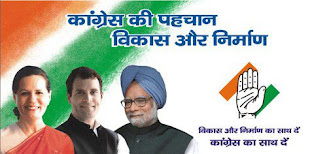

 Posts
Posts

